Understanding Catering Portions Without Guesswork
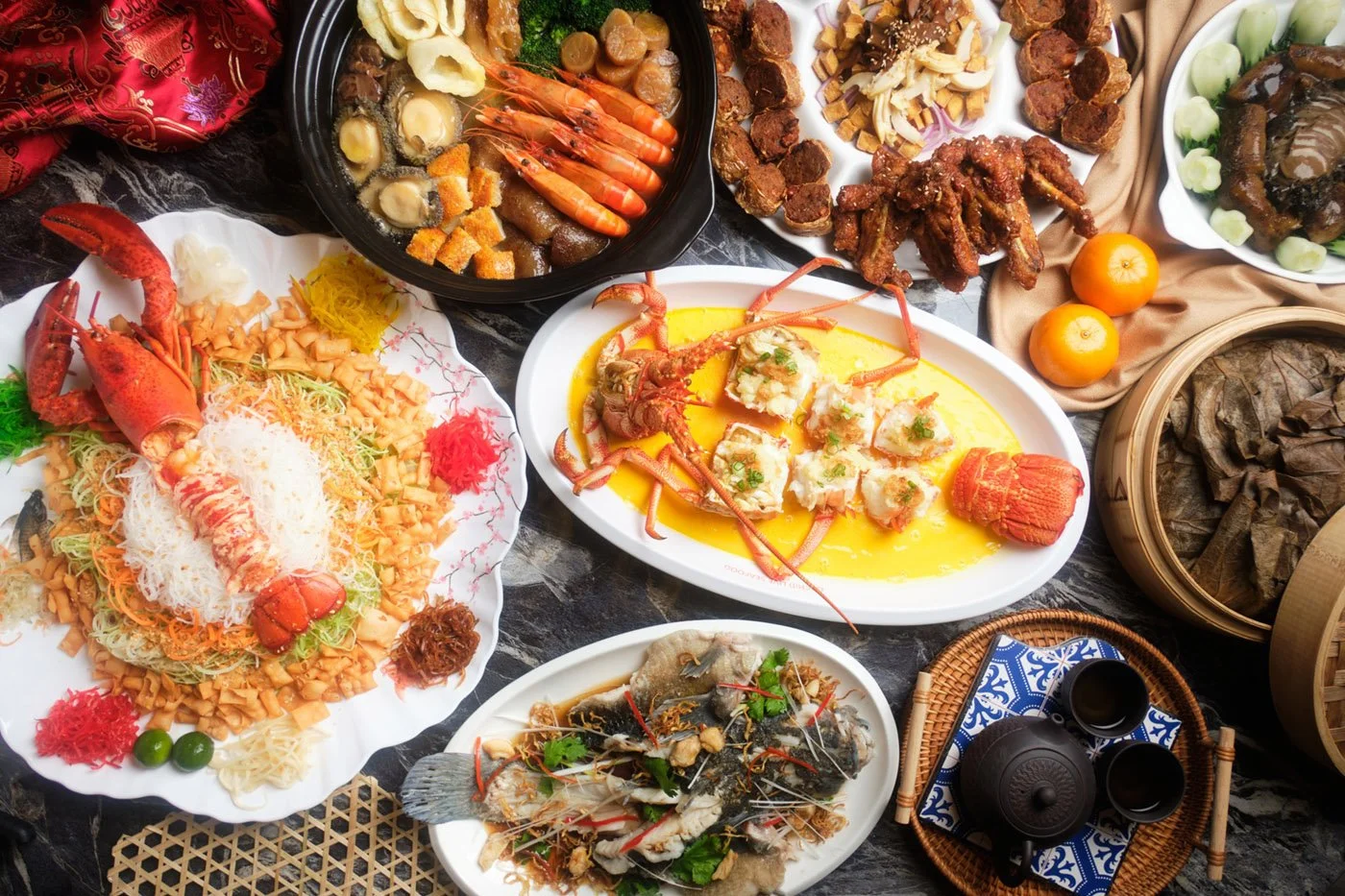
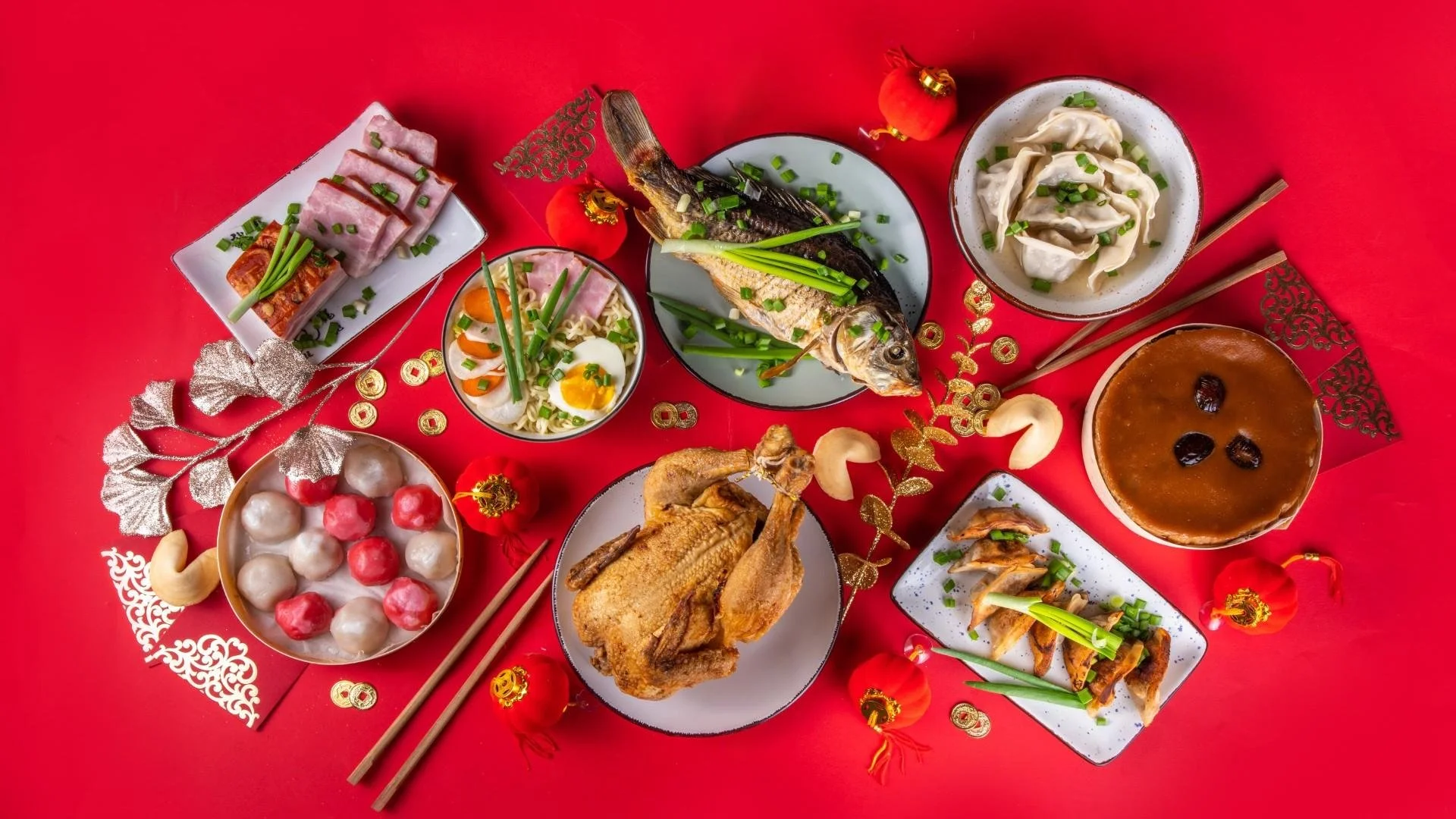

Portion planning is one of the most common sources of anxiety for event hosts in Singapore. Serve too little and guests notice immediately. Serve too much and food goes to waste, budgets inflate, and hosts are left wondering what went wrong. In 2026, experienced planners are moving away from guesswork and learning that accurate portioning has far more to do with context than with numbers alone.
This is where Lavish takes a measured, practical approach. Rather than relying on rigid formulas, Lavish plans portions based on event type, guest behaviour, service format, and timing—ensuring adequacy without excess.
Why Portion Guesswork Fails So Often
Many hosts assume portion planning is a simple calculation: guest count multiplied by a fixed serving size. In reality, people do not eat uniformly. Appetite changes based on time of day, event duration, formality, and how food is served.
A corporate lunch behaves differently from an evening celebration. A standing networking event produces lighter consumption than a seated programme. Ignoring these variables often leads to misalignment—either visible scarcity or unnecessary oversupply.
Lavish avoids this by starting with how guests are likely to interact with food, not how much food looks impressive on paper.
How Catering Format Shapes Consumption
The catering format chosen has a direct impact on how much guests actually eat. Self-service formats, structured meals, and grazing-style events all produce different consumption patterns.
A structured buffet catering setup typically supports steady, predictable intake, especially when guests arrive in waves. Portions are planned to allow for variety without encouraging overloading. In contrast, cocktail reception canapés are designed for lighter, continuous consumption, where guests eat intermittently while socialising rather than sitting down for a full meal.
For smaller events, mini buffets offer a controlled balance—enough selection to feel generous, without the scale that leads to excess. Each format naturally guides guest behaviour, which is why portion planning must follow format choice, not precede it.
Timing Matters More Than Most Hosts Expect
When food is served can be just as important as how much is served. Events that run through traditional meal times require more substantial planning than those scheduled between meals.
Lavish aligns portion recommendations with event timing and duration. Shorter events benefit from concise service windows, while longer programmes may be structured in phases—starting with lighter options and transitioning later. For structured corporate schedules, seminar packages provide clarity and predictability, allowing portions to be matched precisely to agenda blocks.
This approach prevents the common mistake of treating all events as if they require full-meal quantities.
Balancing Adequacy Without Waste
One of the biggest misconceptions around portion control is that restraint leads to dissatisfaction. In reality, dissatisfaction comes from imbalance—too much of the wrong thing, or not enough at the right moment.
Lavish plans for adequacy rather than abundance. Portions are distributed thoughtfully across savoury and lighter elements, ensuring guests feel satisfied without feeling overwhelmed. For events that benefit from a clear closing phase, dessert tables are often introduced later in the programme. This extends the experience naturally without extending main service volumes, reducing waste while enhancing guest enjoyment.
📌 Plan Portions With Confidence
If your event date and venue are confirmed, you can place your catering order here: Lavish Catering Orders – Customise Your Catering Menu Orders and begin planning with realistic portioning built in from the start.
How Guest Profiles Influence Portions
Not all guest groups eat the same way. Corporate audiences often eat efficiently and conservatively, while family gatherings may linger longer and sample more widely. Community events can vary significantly depending on age mix and social norms.
Lavish factors these profiles into portion planning. Rather than increasing quantities indiscriminately, adjustments are made to composition and pacing—ensuring food is available when guests want it, rather than simply increasing volume.
This nuance is what allows events to feel well-fed without appearing excessive.
Transparency That Removes Anxiety
Portion planning can feel intimidating when hosts don’t know what’s reasonable. Lavish addresses this through clear communication. Recommendations are explained, trade-offs are discussed, and adjustments are made collaboratively.
Hosts understand why certain quantities are suggested and how different choices affect both experience and cost. This transparency replaces uncertainty with confidence, allowing hosts to stop second-guessing decisions.
Why Portion Planning Matters in 2026
In Singapore’s mature events scene, waste is no longer seen as harmless, and scarcity is no longer forgiven. Guests expect events to feel considered, not improvised. Portion planning sits at the centre of that expectation.
Lavish approaches portions as part of the overall event design. By aligning quantities with format, timing, and guest behaviour, catering feels balanced, intentional, and calm—without guesswork.
📌 Clarity Over Guesswork
To learn how Lavish plans catering portions with precision and realism, visit About Lavish. If you’d like guidance tailored to your guest count or event type, reach out via contact Lavish here & plan your catering with confidence, clarity & control.