Catering for Large Groups vs Small Gatherings: What Changes and Why


At first glance, catering for a large group and catering for a small gathering may seem like the same task at different scales. In practice, they are fundamentally different exercises. Guest behaviour changes, service flow shifts, and the way food is experienced evolves with group size. In 2026, successful catering in Singapore depends on recognising these differences early and planning accordingly.
This is where Lavish brings clarity to the process. Rather than applying a one-size-fits-all approach, Lavish adjusts catering decisions based on how people actually interact in large versus small settings—ensuring each event feels appropriate, balanced, and well-run.
How Guest Behaviour Shifts With Group Size
The most important difference between large and small events isn’t quantity—it’s behaviour. In large groups, guests tend to move in waves. They queue, follow cues, and respond to visible structure. In smaller gatherings, guests move more freely, linger longer, and notice details more acutely.
Lavish accounts for this by planning service flow differently. Large events require clear structure to prevent congestion, while smaller gatherings benefit from relaxed pacing and minimal intrusion. Ignoring these behavioural shifts often leads to events that feel either chaotic or overly rigid.
Catering for Large Groups: Structure Becomes Essential
Large-scale events—corporate functions, celebrations, or community gatherings—demand predictability. Without it, service delays and bottlenecks quickly become visible to guests.
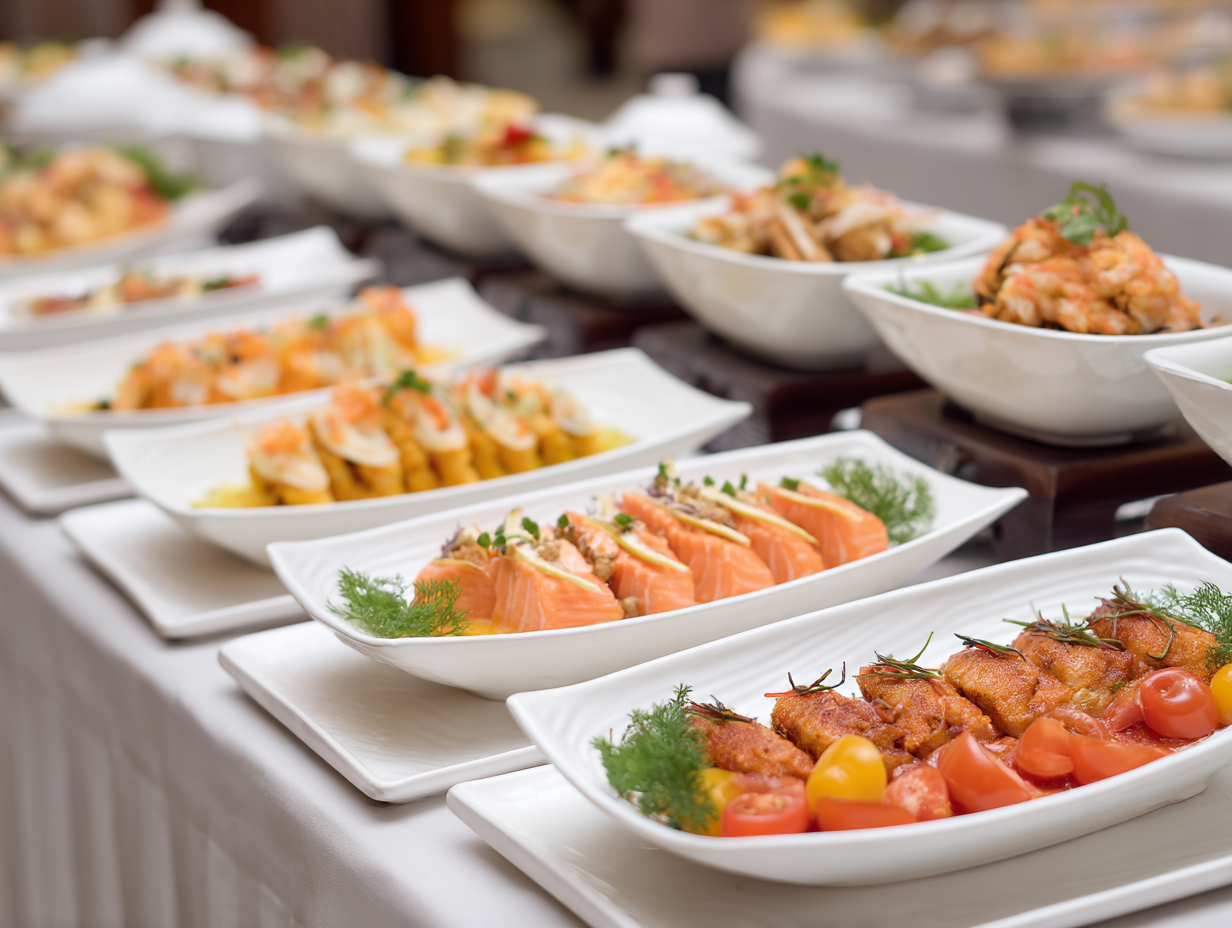
For these settings, a well-organised buffet catering setup is often the most effective solution. Stations are spaced to encourage even distribution, replenishment is timed carefully, and service flow is designed to keep queues moving smoothly. In highly structured programmes, seminar packages provide even greater control, aligning meal service precisely with agendas and time blocks.
In large groups, consistency matters more than variety. Guests value clarity—knowing where to go, what to expect, and how long service will take. Lavish prioritises this stability to ensure the event feels calm rather than crowded.
Catering for Small Gatherings: Sensitivity Takes Priority
Smaller events operate on a different rhythm. Family celebrations, private parties, and intimate corporate sessions place greater emphasis on comfort and personal interaction. Guests are more aware of pacing, presentation, and how service integrates into conversation.
Lavish often recommends mini buffets for these settings, as they offer flexibility without overwhelming the space. Setup remains compact, and service is designed to feel supportive rather than directive. For events where guests are expected to mingle continuously, cocktail reception canapés allow food to complement interaction rather than interrupt it.
In small gatherings, less structure can actually improve the experience—provided it’s intentional. Lavish balances this by maintaining behind-the-scenes organisation while keeping visible service light.
Space Planning Changes With Scale
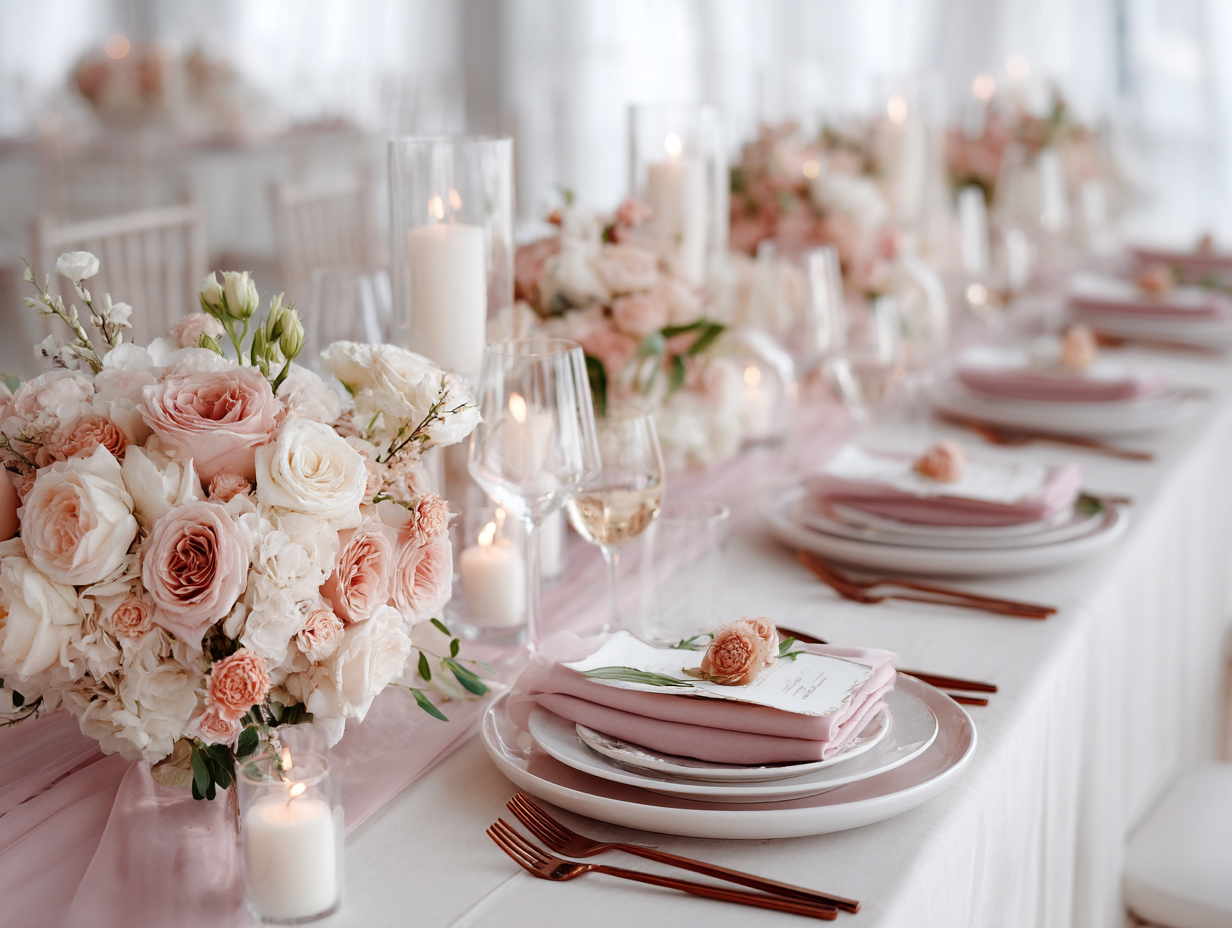
Space behaves differently depending on group size. Large events require wider walkways, clearly defined service zones, and careful crowd management. Small gatherings need room to breathe without making the space feel empty or underutilised.
Lavish plans layouts around movement patterns, not aesthetics alone. For larger groups, stations are positioned to disperse crowds evenly. For smaller events, layouts are tightened to keep guests connected without crowding. In daytime or transitional moments, tea receptions are often effective across both scales, adapting easily to different spatial demands.
📌 Match the Plan to the Crowd
If your event date and venue are confirmed, you can place your catering order here: Lavish Catering Orders - Customise Your Catering Menu Orders and begin planning with scale in mind from the start.
Timing and Pacing Aren’t Interchangeable
Large events often run on fixed schedules. Meals must start and finish within defined windows. Small gatherings are more fluid, with guests arriving, eating, and socialising at their own pace.
Lavish adjusts service timing accordingly. For large groups, pacing is deliberate and consistent to maintain momentum. For small gatherings, service is spaced more gently, allowing guests to enjoy the experience without feeling rushed. This distinction is subtle but critical—and often what separates smooth events from awkward ones.
Ending the Event Looks Different Too
How an event concludes is influenced heavily by scale. Large events benefit from clear closing signals that guide guests naturally toward the end. Smaller gatherings often prefer a softer wind-down that allows conversations to continue organically.
Lavish plans endings with intention, frequently using dessert tables as a transition point. In large events, they help signal closure without announcements. In smaller gatherings, they provide a relaxed focal point that gently brings the event to a close.
Why These Differences Matter in 2026
In Singapore’s mature events landscape, guests are quick to notice when catering feels mismatched. A small event treated like a banquet feels impersonal. A large event handled casually feels disorganised.
Lavish avoids these pitfalls by adjusting catering strategy based on scale from the outset. By aligning service structure, pacing, and layout with group size, events feel intentional rather than improvised.
📌 Plan the Right Experience for Your Group
To learn how Lavish tailors catering for different event sizes, visit About Lavish. If you’d like guidance specific to your guest count or venue, reach out via contact Lavish here & plan your catering with clarity, confidence & control.