


When planning an event, many hosts assume catering and food delivery are interchangeable. Both involve providing food, after all. But while the end product may look similar at first glance, the experience they create is very different. Understanding this difference is one of the most important decisions a host can make, because it directly affects flow, atmosphere, and how guests remember the event.
Event catering is designed around people, timing, and space. Simple food delivery focuses on transport. That distinction shapes everything that follows.
Food Delivery Solves Hunger, Not Events
Food delivery is transactional. Meals are prepared, packed, transported, and dropped off. Once the food arrives, responsibility shifts entirely to the host. There is no consideration for guest movement, no adjustment for delays, and no coordination with the event programme.
For casual situations, this can be perfectly adequate. A team lunch or an informal gathering may only need food to arrive at a specific time. But once an event involves multiple guest groups, changing schedules, or shared spaces, delivery alone often becomes a source of friction rather than support.
Event Catering Is Built Around Flow
Event catering starts with understanding how the event will unfold. When will guests arrive? Will they eat immediately or later? Will they be seated, standing, moving, or transitioning between spaces?
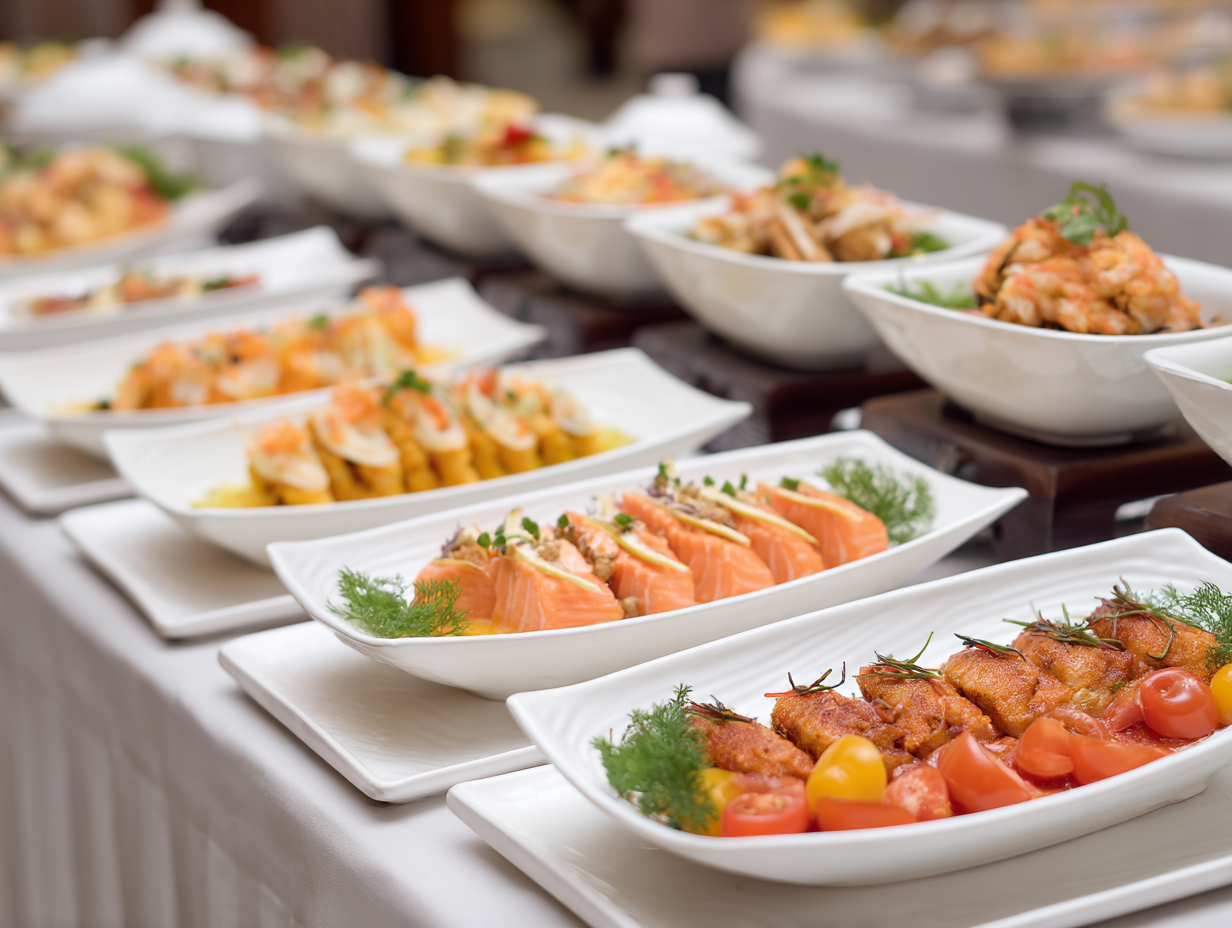
Lavish plans catering around these questions first, then selects the appropriate format. For events that need flexibility without losing structure, buffet catering allows guests to eat at their own pace while maintaining an organised service flow. Stations are positioned to guide movement, and replenishment is managed discreetly so the experience stays smooth.
This level of planning simply doesn’t exist in food delivery.
Service Presence Changes Guest Behaviour
One of the most overlooked differences between catering and delivery is service presence. When catering staff are involved, guests instinctively understand how to interact with the food and the space. Queues form naturally, transitions feel smoother, and hosts are freed from logistical concerns.
In contrast, food delivery places all responsibility on the host. Hosts often end up managing timing, explaining food layouts, or reacting to issues instead of engaging with guests.
For events where interaction matters, formats such as cocktail reception canapés allow guests to circulate and converse naturally while service remains subtle and controlled.
Timing Is Managed, Not Assumed
Food delivery works on a fixed arrival time. If the event runs late or early, adjustments are rarely possible. Event catering anticipates this reality.
For structured programmes like talks or briefings, seminar packages are designed with timing discipline in mind. Service windows are aligned with agendas, and pacing is adjusted based on how the event progresses rather than a rigid clock.
This adaptability ensures catering supports the event instead of interrupting it.
📌 Choose Support, Not Just Supply
If your event date and venue are confirmed, you can place your catering order through Lavish Catering Orders – Customise Your Catering Menu Orders and begin planning catering that supports your event, not just the menu.
Setup and Presentation Are Part of the Experience
Food delivery ends at the container. Event catering includes setup, layout, and presentation as part of the service.
For smaller gatherings that still need order, mini buffets offer a scaled-down catering approach that keeps spaces tidy and organised. Layouts are planned to suit the venue, preventing clutter and confusion.
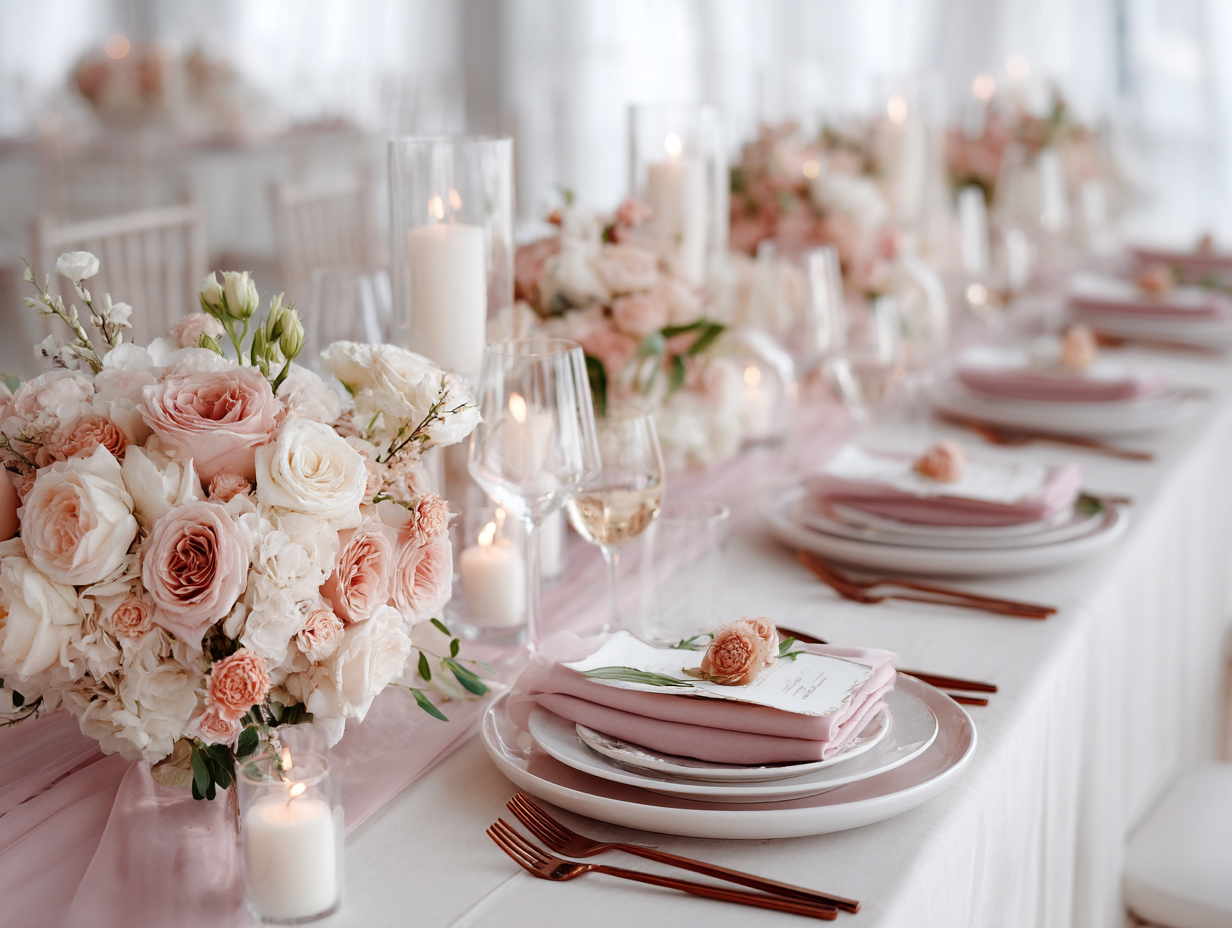
For lighter or daytime occasions, tea receptions provide a polished setup that supports gradual arrivals and departures without overwhelming the event.
These formats are designed to work with the space, not fight against it.
How Events End Matters Too
Food delivery rarely considers the closing phase of an event. Once food is consumed, there is no natural transition toward conclusion.
Event catering often plans this moment intentionally. Dessert tables are frequently used as a closing anchor, introduced later in the programme to draw guests together briefly before the event winds down. This creates a sense of completion without formal announcements or abrupt endings.
Why This Matters
The difference between event catering and simple food delivery isn’t about food quality alone. It’s about how well the food supports the event itself.
When catering is planned around movement, timing, and guest experience, events feel calm, considered, and well-run. When food is treated as a delivery item, hosts often absorb the operational stress instead.
Lavish approaches catering as part of the event’s structure, not an add-on. Expectations are set clearly, questions are welcomed, and solutions are tailored to how the event will actually unfold.
📌 Catering That Carries the Event With You
To understand how Lavish supports events beyond food delivery, visit About Lavish. If you’d like guidance on which catering approach suits your event best, reach out via contact Lavish here & plan your event with clarity, confidence & control.


