

Booking catering for the first time can feel deceptively simple. Menus look straightforward, guest numbers seem manageable, and timelines appear clear on paper. In reality, many first-time hosts in Singapore discover that the challenges are not about food alone, but about how catering interacts with space, timing, and guest behaviour.
Lavish works with many first-time hosts who only realise these gaps once planning is already underway. Understanding what is often overlooked early can prevent unnecessary stress and help the event feel composed rather than reactive.
Assuming Food Is Separate From Event Flow
One of the most common oversights is treating catering as a standalone task. First-time hosts often focus on what to serve without considering how food service affects movement, conversation, and pacing.
In practice, catering shapes how guests experience the event. Poorly placed stations create congestion. Ill-timed service interrupts programmes. Even generous menus can feel chaotic if flow is not considered.
Lavish plans catering as part of the event’s structure. Decisions are guided by how guests will arrive, move, and interact—so food supports the experience rather than disrupting it.
Underestimating Space and Layout Constraints
Another frequent issue is misjudging how much space catering actually requires. Venues may look spacious when empty but feel constrained once guests, furniture, and service areas are in place.
First-time hosts often discover too late that buffet lines block walkways or that service areas interfere with seating. Lavish addresses this early by matching formats to venue realities.
For example, buffet catering is planned with station placement and circulation in mind, while mini buffets are used when space needs to remain open and flexible.
Choosing the right format is as much about layout as it is about menu.
Overplanning the Menu, Underplanning the Timing
New hosts often spend significant time perfecting menu variety while giving less attention to when food will be served. This imbalance creates stress during the event itself.
Food that arrives too early loses appeal. Food that arrives late frustrates guests. When timing is unclear, hosts are forced to make decisions on the spot.
Lavish addresses this by defining service windows early, especially for structured events. Seminar packages are designed around predictable breaks and programme pauses, ensuring catering aligns with schedules rather than competing with them.
Clear timing reduces pressure for first-time hosts and keeps events on track.
Choosing Formats That Don’t Match Guest Behaviour
Not all events benefit from the same catering style. First-time hosts often choose formats based on familiarity rather than suitability.
Seated meals can slow down networking events. Heavy buffets can overwhelm short gatherings. Conversely, light formats may feel insufficient for longer celebrations.
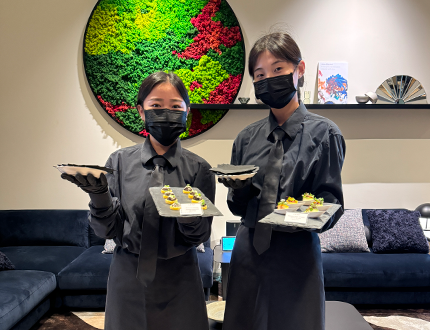
Lavish helps hosts match catering to how guests are expected to behave. For events focused on interaction and movement, cocktail reception canapés allow guests to eat without pausing conversations. For daytime or staggered attendance, tea receptions offer a lighter, more flexible approach.
The right format reduces friction and makes hosting feel easier.
📌 Start With the Right Questions
If your event date and venue are confirmed, you can place your catering order through Lavish Catering Orders – Customise Your Catering Menu Orders and plan with clarity before small details become big problems.
Forgetting to Plan the Ending
Many first-time hosts focus heavily on how the event begins but give little thought to how it will end. Without a clear closing phase, events can feel abrupt or drag on awkwardly.
Lavish often uses dessert tables as a natural closing element. Introduced at the right moment, dessert service provides a visual and social anchor that helps the event wind down smoothly without announcements or pressure.
A planned ending allows hosts to close the event confidently rather than improvising under fatigue.
Expecting Catering to “Fix” Structural Issues
Catering is sometimes treated as a solution to broader planning gaps. When timelines are unclear or guest flow is poorly defined, hosts may hope food service will compensate.
In reality, catering works best when expectations are set honestly. Lavish supports first-time hosts by asking questions early, clarifying constraints, and recommending formats that fit the situation rather than overpromising.
This approach helps hosts feel informed and supported rather than surprised on the day of the event.
Why This Matters
First-time hosts often judge success by whether guests enjoyed the food. Guests, however, remember how the event felt. Congestion, delays, and awkward transitions leave stronger impressions than menu details.
By addressing what is commonly overlooked—flow, timing, space, and endings—Lavish helps first-time hosts avoid avoidable stress. Catering becomes a stabilising element rather than another responsibility to manage.
📌 Host With Confidence From the Start
To learn how Lavish supports first-time hosts with clarity and guidance, visit About Lavish. If you’d like advice tailored to your venue or guest group, reach out via contact Lavish here & plan your catering with confidence, structure & ease.