Cocktail Reception vs Seated Catering for Networking Events


When planning a networking event in Singapore, one of the most important decisions hosts make is how food will be served. In 2026, networking events are designed to encourage conversation, movement, and meaningful connections—yet catering formats can either support or hinder that goal. The choice between a cocktail reception and seated catering is not about preference alone; it’s about understanding how people interact in professional settings. This is where experienced providers like Lavish help hosts make decisions based on function rather than habit.
Both formats have their place. The key is knowing which structure best supports the outcomes you want from your event.
How Cocktail Receptions Shape Networking Dynamics
Cocktail receptions are widely favoured for networking-focused events because they naturally encourage movement. Guests are not assigned seats, which lowers social barriers and makes it easier to approach new contacts. This format is particularly effective for product launches, industry mixers, and post-seminar socials.
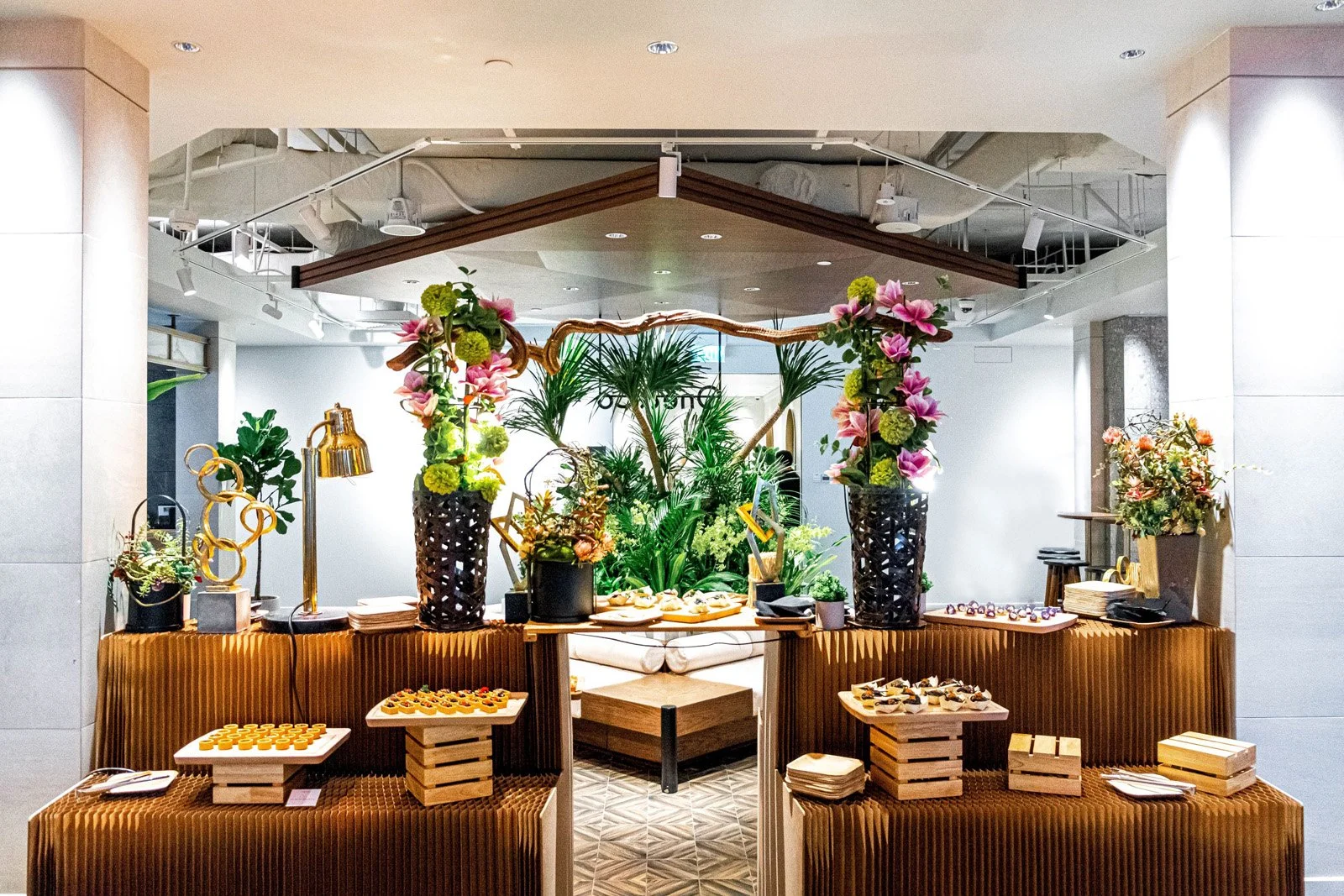
A well-planned cocktail reception canapé setup allows guests to eat comfortably while standing, without interrupting conversation. Small portions, easy handling, and steady service flow ensure food enhances the experience rather than distracting from it. In these settings, catering becomes a facilitator of interaction rather than a focal point.
Cocktail receptions also offer flexibility with timing. Guests can arrive and leave at different moments without disrupting the event’s rhythm. This makes the format especially suitable for busy professionals attending multiple engagements in one day.
When Seated Catering Makes More Sense
Seated catering provides structure and focus, which can be valuable for certain types of networking events. Dinners following conferences, executive roundtables, or invitation-only gatherings often benefit from a seated format that encourages deeper conversation within smaller groups.
Seated catering works best when the event agenda is fixed and the guest list is curated. In these cases, conversation is intentional rather than exploratory. Catering formats such as buffet service or organised dining arrangements help maintain pacing while ensuring guests are comfortable and attentive.
However, seated formats can limit movement. Once guests are seated, spontaneous interaction across tables becomes less likely. For events where broad networking is the priority, this can be a drawback.
Comparing Guest Experience and Energy Levels
Networking events thrive on energy. Cocktail receptions tend to feel more dynamic, with guests circulating freely and conversations evolving naturally. The absence of fixed seating removes hierarchy and encourages inclusivity.
Seated catering, by contrast, creates a calmer atmosphere. Guests settle in, conversations deepen, and the event feels more formal. This can be ideal for relationship-building among a smaller group, but less effective for large-scale networking.
Hosts should consider the tone they want to set. A relaxed industry mixer may benefit from a standing format, while a high-level business dinner may require the polish of seated dining.
Catering Logistics and Space Considerations
Venue layout plays a major role in deciding between these formats. Cocktail receptions require open space for movement, high tables, and clear service pathways. Seated catering demands sufficient room for tables, chairs, and service access.
Professional caterers help hosts assess these constraints early. For corporate venues with fixed schedules, seminar packages may transition smoothly into a standing reception. In more casual or community-driven environments, tea receptions offer a hybrid approach—light, structured, yet flexible.
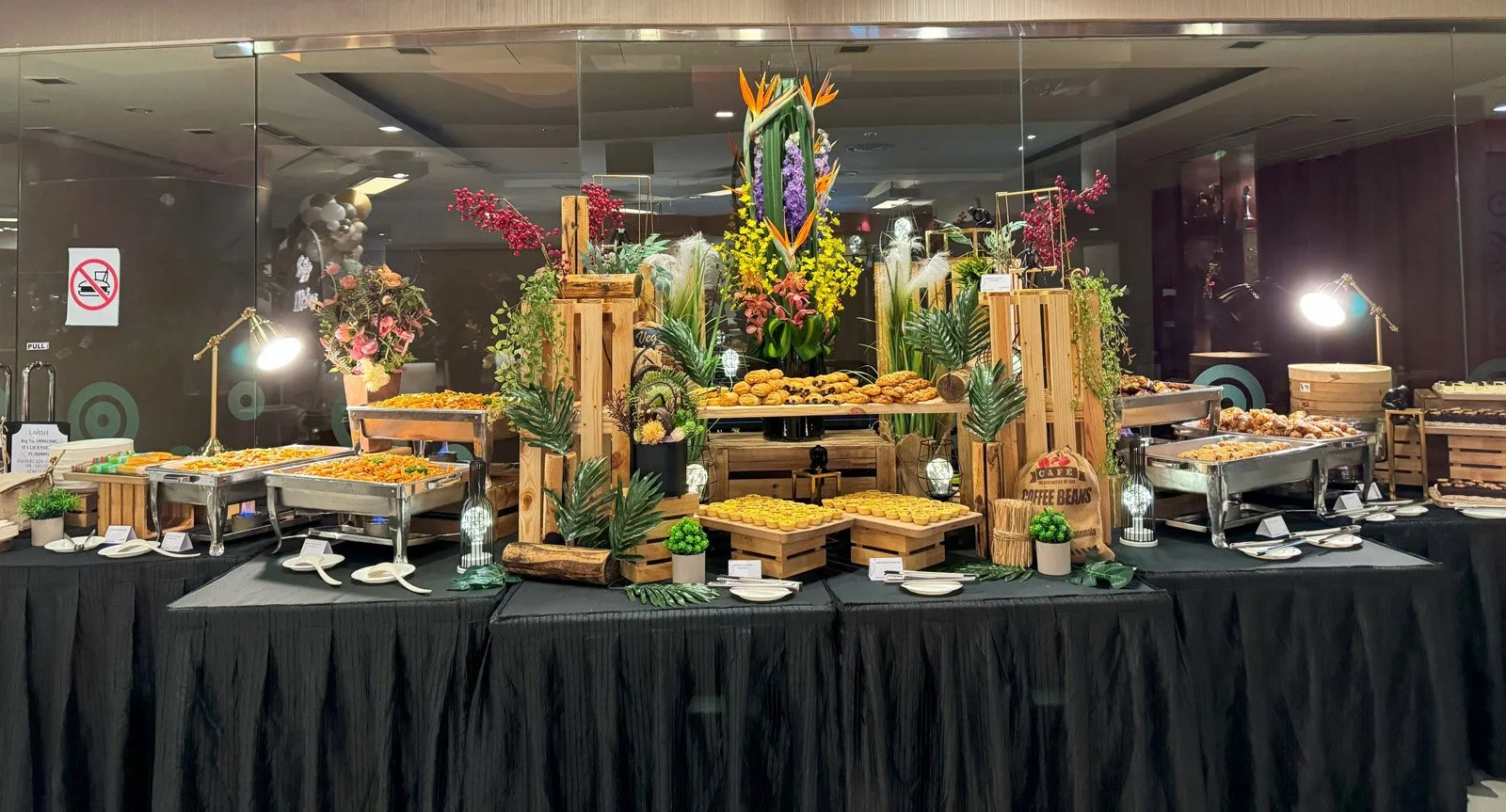
For smaller networking events, mini buffets can support either format, while larger functions may benefit from pairing savoury options with refined dessert tables to signal a natural close to the event.
📌 Choose the Format That Fits Your Goals
If your networking event date is confirmed, you can place your catering order here to secure availability and begin planning with clarity.
Making the Decision Without Overcomplicating It
Hosts often overthink this choice. The simplest way to decide is to ask: do you want guests to move or stay? If your goal is broad connection and energy, a cocktail reception is usually the better fit. If your goal is focused discussion and relationship depth, seated catering may be more appropriate.
Lavish supports hosts by explaining these trade-offs clearly and recommending formats based on event purpose, guest profile, and venue realities. There is no one-size-fits-all answer—only what works best for your specific event.
Planning Networking Events With Confidence
In 2026, successful networking events are not defined by extravagance but by how comfortable and engaged guests feel. Catering plays a subtle but powerful role in shaping that experience.
By choosing the right service format and working with an experienced partner, hosts can create events that feel intentional rather than improvised. Whether standing or seated, the goal is the same: to support conversation, connection, and ease.
📌 Plan Your Networking Event the Right Way
To learn more about how Lavish approaches catering for professional and networking events, visit About Lavish. If you’d like tailored advice on the best format for your guest list and venue, the team is ready to help—contact Lavish here & plan with confidence & purpose.