How Lavish Handles Staffing and Service Flow During Events
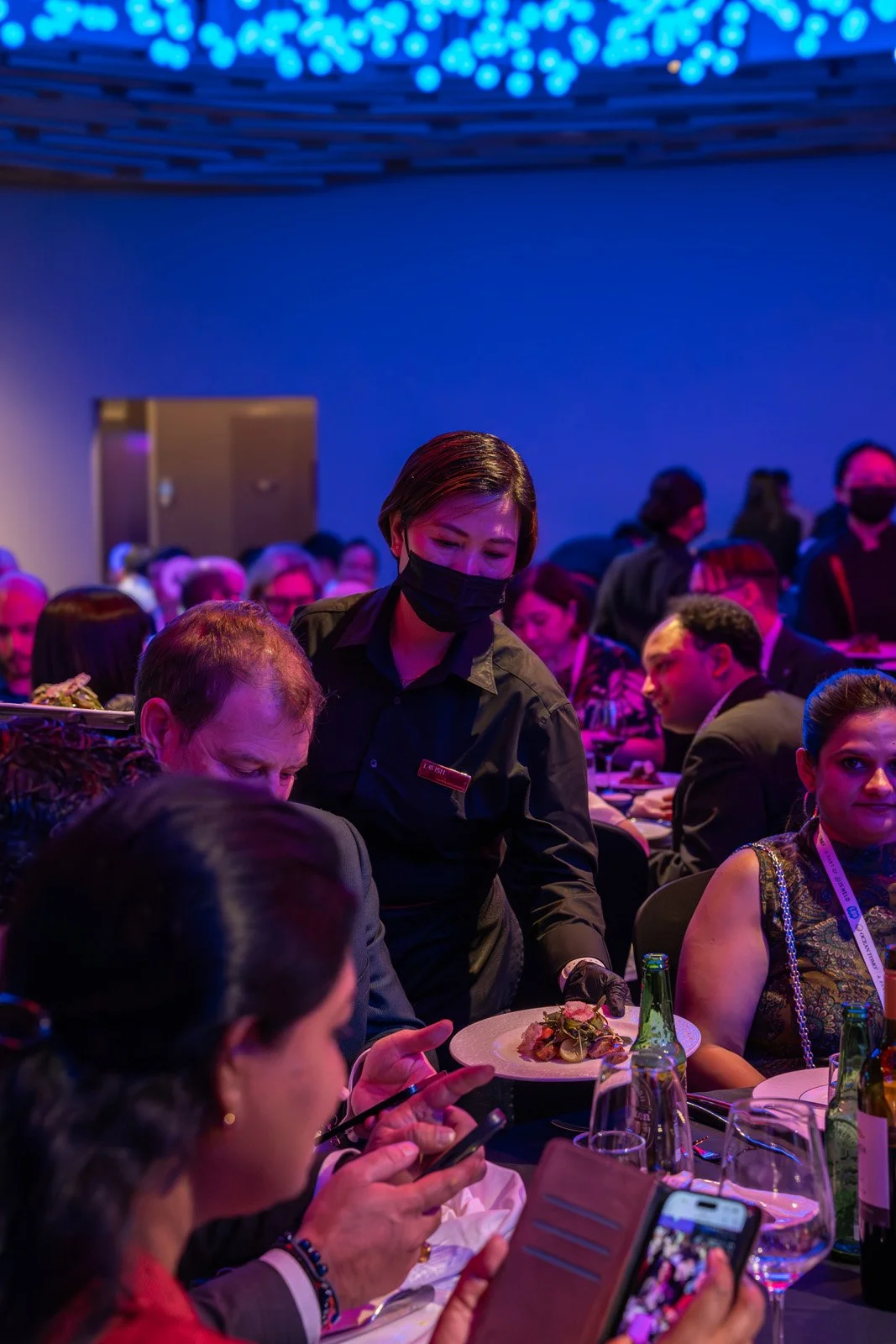
When guests remember an event fondly, they often talk about the atmosphere, the ease of movement, and how “everything just worked.” What they rarely notice—when it’s done well—is staffing. In Singapore’s catering environment in 2026, effective staffing isn’t about visibility or numbers; it’s about service flow, timing, and restraint.
This is where Lavish takes a distinctly measured approach. Rather than flooding events with staff or leaving teams stretched thin, Lavish plans staffing as part of the overall event rhythm—ensuring service supports the occasion quietly and confidently.
Staffing Is Planned Around Flow, Not Headcount
A common misconception is that more staff automatically means better service. In reality, too many people can crowd service areas, disrupt guest movement, and make an event feel overly managed.
Lavish plans staffing based on how guests will move through the space and interact with food. For a structured buffet catering setup, staffing is positioned to guide flow subtly—supporting replenishment, maintaining presentation, and assisting guests only when needed. The goal is to keep service smooth without drawing attention.
Matching Service Style to Event Behaviour
Different events require different service dynamics. A networking-heavy event behaves very differently from a seated corporate programme, even with similar guest counts.
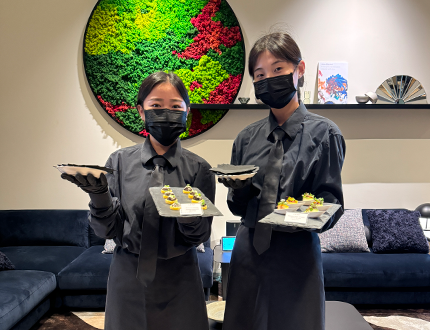
For fluid, social gatherings, cocktail reception canapés rely on mobile service staff who can circulate naturally without interrupting conversation. In contrast, structured corporate events using seminar packages benefit from precise timing, where staffing aligns closely with agenda breaks and session transitions.
Lavish adapts staffing posture and movement to suit the event, ensuring service feels appropriate rather than imposed.
Preventing Bottlenecks Before They Form
Service bottlenecks are one of the quickest ways to disrupt an event. Queues, congestion, and unclear service points create friction—even when food quality is high.
Lavish anticipates these issues during planning. Staff are positioned at strategic points to guide guests naturally, adjust pacing, and redistribute attention if one area becomes crowded. For lighter daytime events or tighter spaces, tea receptions often require fewer staff but more precise placement, ensuring the service remains tidy and unintrusive.
This proactive approach keeps movement intuitive and prevents problems from becoming visible.
Scaling Staffing Without Losing Control
As event size increases, coordination becomes more critical. Large guest counts introduce complexity not just in food volume, but in timing, replenishment, and guest interaction.
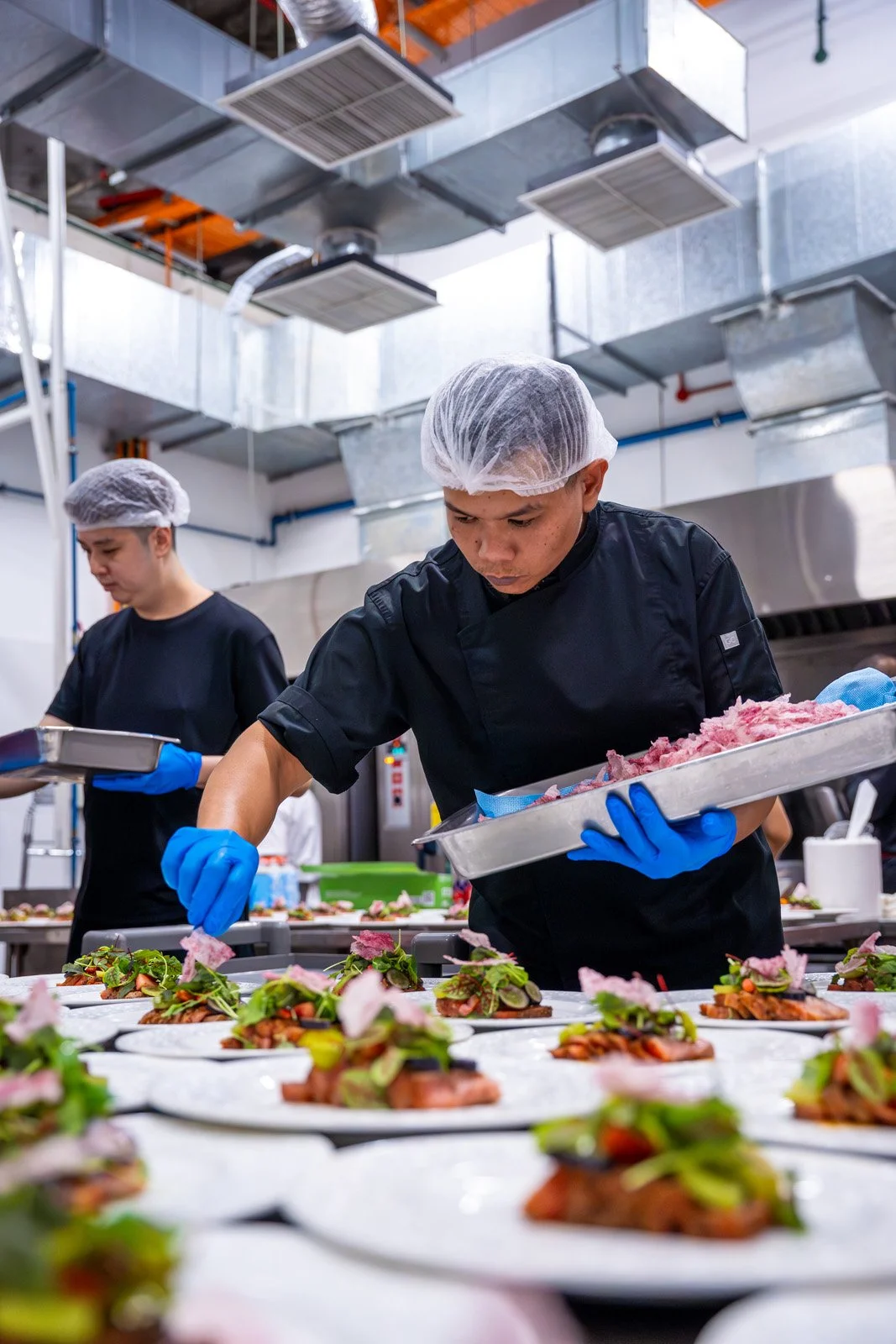
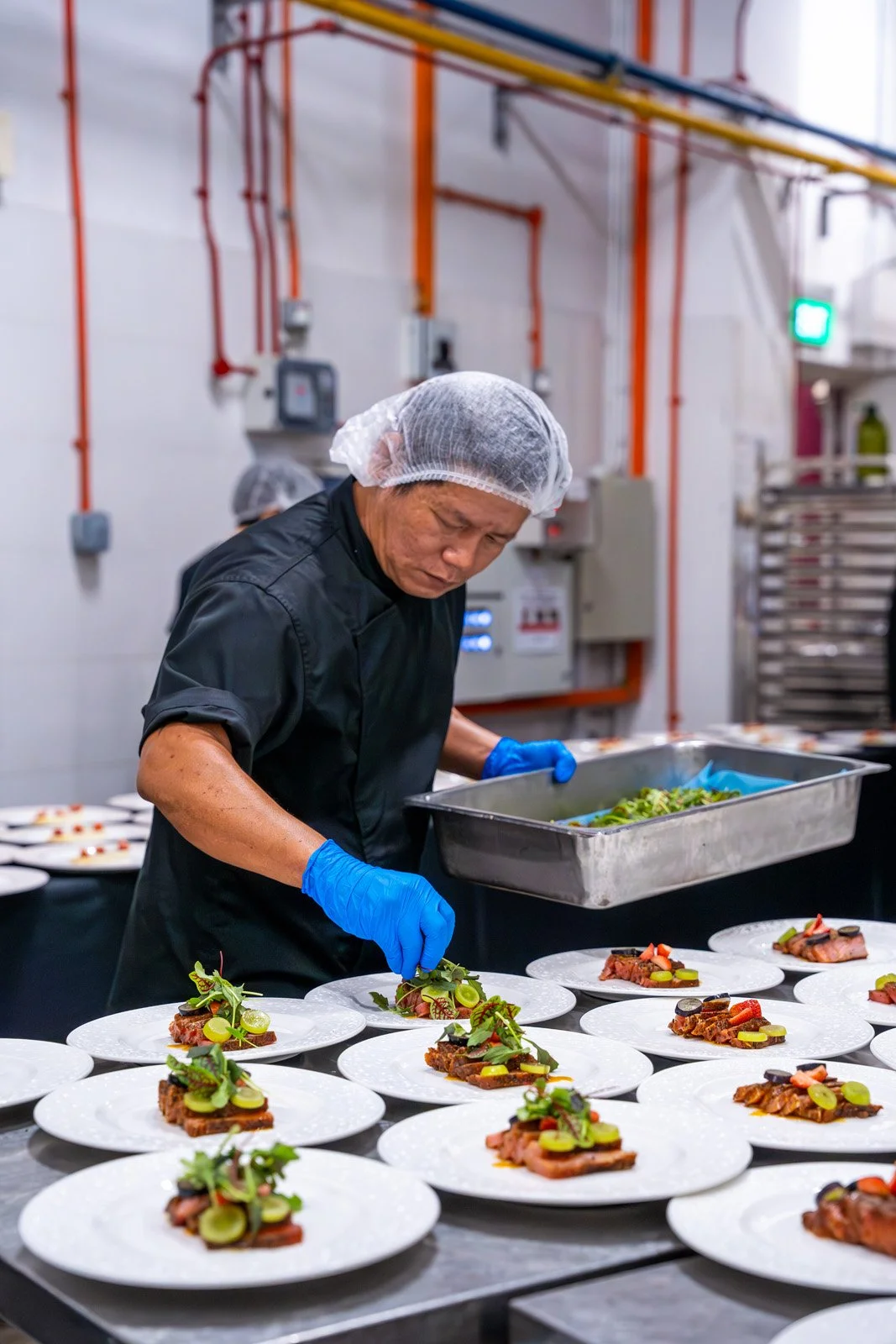
Lavish scales staffing carefully to maintain consistency. Teams are briefed on service sequence, replenishment timing, and contingency adjustments. For events combining formats—such as buffets supported by dessert tables later in the programme—staffing is phased so attention shifts smoothly without sudden changes in presence.
The result is service that feels steady, even as the event evolves.
📌 Service That Moves With the Event
If your event date and venue are confirmed, you can place your catering order here: Lavish Catering Orders - Customise Your Catering Menu Orders and begin planning with service flow in mind.
Training for Calm, Not Performance
Lavish’s service teams are trained to prioritise awareness over performance. Staff are attentive but not intrusive, responsive without hovering. This balance allows guests to feel supported without feeling watched.
Communication among staff is handled discreetly, adjustments are made quietly, and hosts are kept informed without being burdened. Service becomes part of the background—exactly where it belongs.
Why Service Flow Matters More Than Speed
Fast service is not always good service. Rushed clearing, abrupt replenishment, or overly aggressive assistance can disrupt the event’s rhythm.
Lavish focuses on flow instead of speed. Food appears when guests are ready, stations are refreshed without urgency, and transitions happen naturally. This measured pacing helps maintain comfort and keeps the event feeling composed.
Letting Hosts Stay Present
Perhaps the clearest sign of effective staffing is what hosts don’t have to do. They’re not directing staff, resolving queues, or managing timing. They’re engaging with guests and following the programme.
Lavish absorbs the operational complexity of staffing so hosts don’t carry it themselves.
Quiet Structure Behind Every Smooth Event
Great service is rarely accidental. It’s the result of planning, coordination, and experience applied with restraint.
By designing staffing and service flow around real behaviour and real spaces, Lavish ensures events feel calm, organised, and effortless—even when they’re anything but behind the scenes.
📌 Service That Supports, Never Distracts
To learn more about how Lavish plans staffing and service across different event types, visit About Lavish. If you’d like guidance tailored to your event flow or venue, reach out via contact Lavish here & plan your catering with clarity, confidence & control.