Indoor Event Catering vs Outdoor Events: Which Setup Works Best

When planning an event in Singapore, one of the earliest decisions hosts face is whether the event will be held indoors or outdoors. Each setting brings its own advantages, limitations, and catering considerations. In 2026, the most successful events are not defined by where they are held, but by how well the catering setup aligns with the environment. This is why many hosts work with experienced partners like Lavish to determine which setup truly works best for their specific event.
Rather than viewing indoor and outdoor catering as competing options, it helps to understand how each environment shapes guest behaviour, service flow, and logistical planning.
How Indoor Catering Supports Structure and Predictability
Indoor venues are often chosen for their stability. Climate control, fixed layouts, and predictable access points make it easier to plan catering with precision. This environment suits events with tight schedules, formal programmes, or higher expectations around timing.
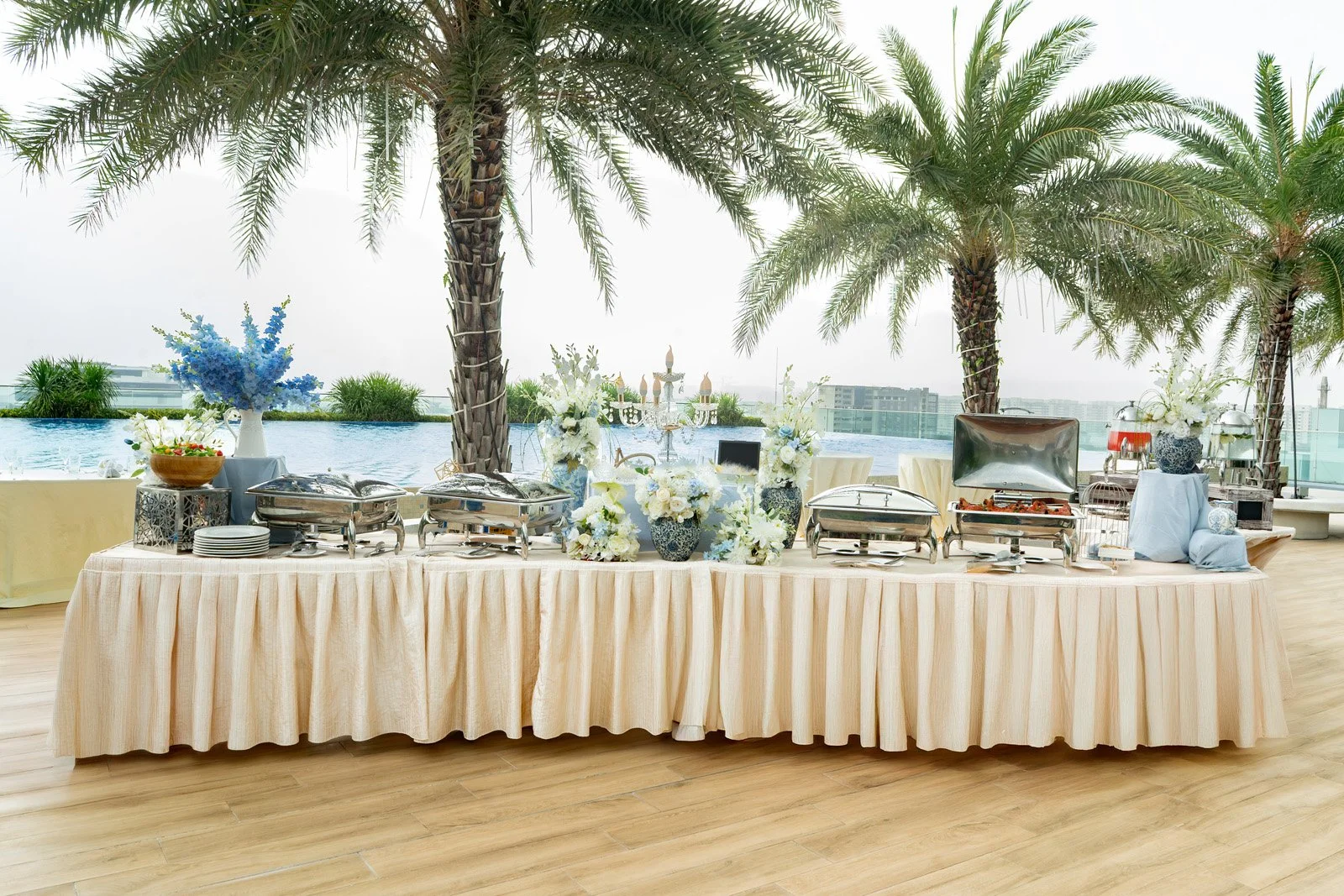
A structured buffet catering setup works especially well indoors, where space can be planned carefully and guest movement guided naturally. Indoor buffets allow for consistent food temperature, smoother replenishment, and clearer service boundaries, which helps events feel organised without being rigid.
Corporate functions, seminars, and formal celebrations often benefit from this level of control. When timing matters, indoor catering reduces variables and allows hosts to focus on programme flow rather than environmental concerns.
Why Outdoor Catering Requires Greater Flexibility
Outdoor events offer atmosphere and openness, but they also introduce variables that indoor venues avoid. Weather, lighting, power access, and uneven terrain all influence how catering must be executed. This doesn’t make outdoor catering inferior—it simply demands a different planning mindset.
For outdoor settings, lighter and more adaptable formats are often preferred. Cocktail reception canapés are popular because they minimise prolonged food exposure and encourage movement. Guests can circulate freely without long queues or fixed service points dominating the space.
Outdoor events benefit from layouts that can adjust quickly. Professional caterers plan for contingencies, ensuring service remains smooth even if conditions change.
Choosing the Right Setup Based on Event Purpose
The question of indoor versus outdoor catering is often best answered by looking at the event’s purpose. Events that prioritise discussion, presentations, or formal rituals tend to perform better indoors, where acoustics and timing are easier to manage. In these cases, structured formats like seminar packages help keep catering aligned with the programme.
Social gatherings, celebrations, and informal milestones often shine outdoors. Here, the focus is less on precision and more on atmosphere. Tea receptions work well in garden or terrace settings, offering a relaxed pace that complements open-air venues. For smaller outdoor gatherings, mini buffets provide balance without excessive equipment or setup.
Managing Guest Comfort in Different Environments
Guest comfort is a major factor when comparing indoor and outdoor catering. Indoors, comfort is largely controlled—temperature, seating, and lighting are predictable. This allows guests to focus on the event without distraction.
Outdoors, comfort must be managed more actively. Shade, airflow, and service pacing become essential. Experienced caterers position food strategically, stagger service times, and adjust layouts to prevent congestion or discomfort. When planned well, outdoor events feel effortless rather than exposed.
Desserts, in particular, play a strategic role. Thoughtfully timed dessert tables work well in both environments, but outdoors they are often introduced later to avoid heat exposure and to create a natural gathering point as the event winds down.
📌 Match the Setup to the Setting
If you’ve chosen a venue but are unsure which catering format fits best, you can place your catering order here: Lavish Catering Orders - Customise Your Catering Menu Orders and begin planning with clarity around your environment.
Venue Rules and Operational Constraints
Indoor venues often come with stricter rules around setup times, layouts, and service flow. Outdoor venues may allow more freedom but impose limitations on power, noise, or access. Both environments require careful coordination.
Lavish supports hosts by reviewing venue constraints early and recommending setups that remain compliant without compromising guest experience. This proactive approach prevents last-minute adjustments and ensures catering complements the venue rather than conflicting with it.
So, Which Setup Works Best?
In 2026, the best catering setup is not defined by indoor versus outdoor—it’s defined by suitability. Indoor catering excels when structure, timing, and predictability are priorities. Outdoor catering shines when atmosphere, flexibility, and movement matter more.
Hosts who succeed are those who align catering decisions with the realities of their venue and the goals of their event. With the right planning and experienced support, both environments can deliver memorable, well-paced experiences.
📌 Plan With the Environment in Mind
To learn how Lavish tailors catering setups for both indoor and outdoor events across Singapore, visit About Lavish. If you’d like guidance on choosing the right setup for your venue, reach out via contact Lavish here & plan your event with confidence & clarity.