Live Station Catering vs Traditional Buffet Setups


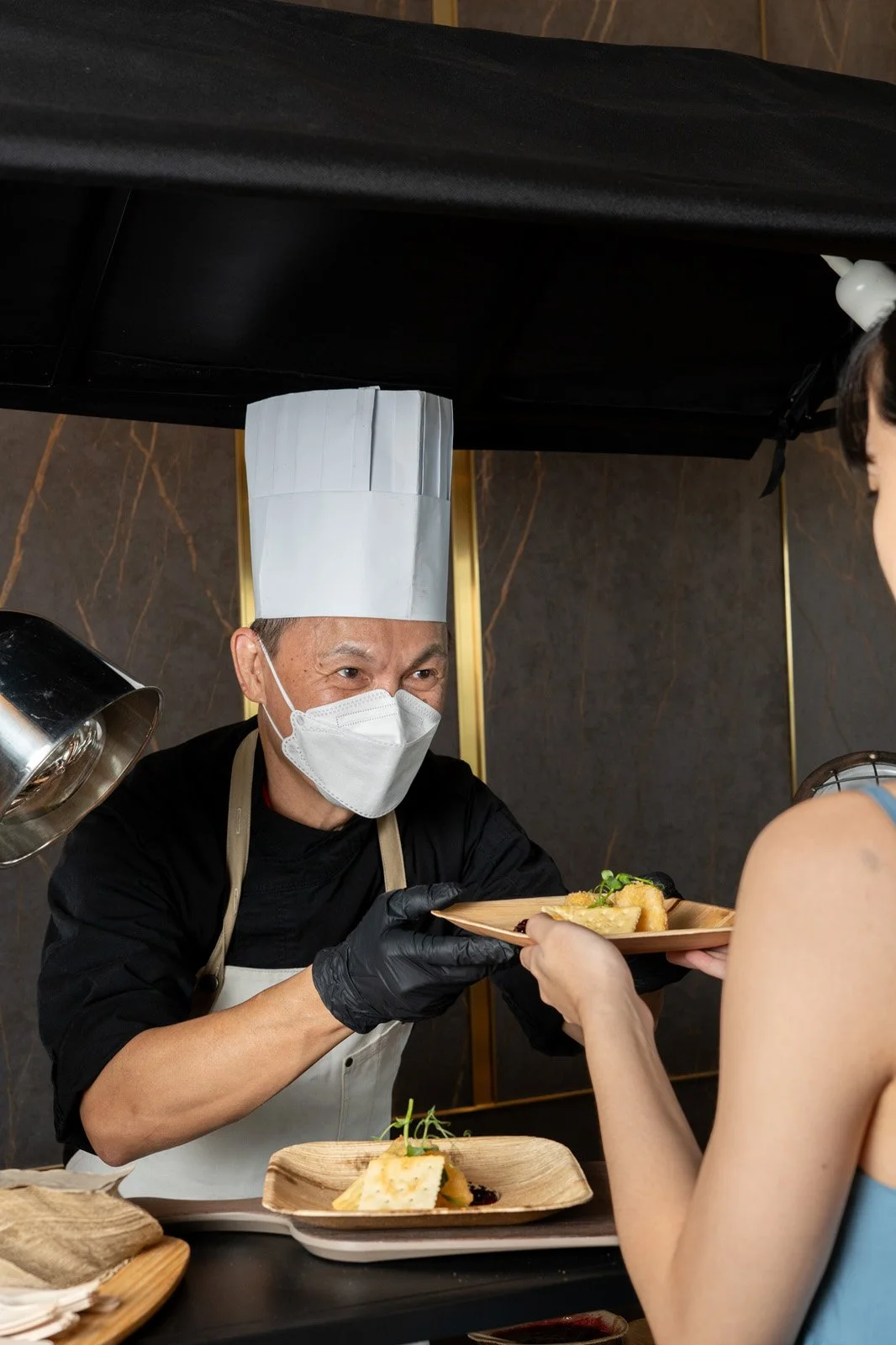
When planning an event in Singapore, one of the most important catering decisions hosts face is choosing between live station catering and a traditional buffet setup. Both formats are popular, both can be executed well—and both can fail if chosen for the wrong reasons. In 2026, experienced hosts are learning that the difference isn’t about which option is more impressive, but which one best supports the event’s purpose, pace, and space.
This is where Lavish takes a measured approach. Rather than treating live stations as an automatic upgrade or buffets as a default, Lavish helps clients understand how each format behaves in real-world conditions.
Understanding the Core Difference
At a glance, the distinction seems simple. Traditional buffets offer pre-prepared dishes arranged for self-service, while live stations feature food prepared or assembled on-site. But the real difference lies in how guests interact with each format.
A buffet catering setup is designed for efficiency and volume. Guests serve themselves at their own pace, making it well-suited for events with staggered arrivals or large guest counts. Live stations, on the other hand, introduce a focal point—drawing attention, encouraging interaction, and creating a sense of activity around the food.
Neither is inherently better. Each creates a different rhythm.
When Traditional Buffets Work Best
Buffets remain a staple in Singapore for good reason. They are predictable, scalable, and efficient when planned properly. For events where guests arrive over a longer window—such as family celebrations or open-house style gatherings—a buffet allows service to remain steady without forcing everyone to eat at the same time.
Buffets also perform well in venues with limited space or strict access rules, where extended setup or on-site preparation may not be practical. When designed thoughtfully, a buffet keeps food flowing smoothly while staying largely in the background—allowing the event itself to take centre stage.
The Role of Live Stations in Modern Events
Live stations bring a different kind of energy. By preparing or assembling food on-site, they add a sense of immediacy and engagement that some events benefit from. This makes live station catering particularly effective for milestone celebrations, appreciation events, or social gatherings where interaction is encouraged.
However, live stations also introduce operational considerations. They require adequate space, power access, and time for setup and service. Without careful planning, queues can form and service can slow, drawing attention to logistics rather than enjoyment.
Lavish evaluates whether the venue and programme can support live stations comfortably before recommending them, ensuring the format enhances the experience rather than disrupting it.
Space, Flow, and Guest Behaviour
One of the most overlooked factors in choosing between live stations and buffets is guest movement. Buffets encourage dispersal—guests move in and out of service areas independently. Live stations concentrate attention, which can be positive or problematic depending on the layout.
In tighter venues or events with high guest density, a buffet often maintains better flow. In more open spaces where guests are meant to linger and interact, live stations can become a natural gathering point. Lavish plans layouts around behaviour rather than aesthetics, positioning stations or buffet lines to prevent bottlenecks and maintain clear walkways.
Managing Timing and Expectations
Timing plays a crucial role in this comparison. Buffets offer flexibility—guests eat when ready, and service can be maintained over a longer period. Live stations, by contrast, work best within defined windows when guests are primed to engage.
For corporate events with fixed schedules, traditional buffets often integrate more smoothly into breaks. Live stations are better suited to events with looser timelines, where food is part of the experience rather than a pause from it.
📌 Choose the Format That Fits the Event
If your event date and venue are confirmed, you can place your catering order here: Lavish Catering Orders - Customise Your Catering Menu Orders and begin planning with the right structure in place.
Blending Both Formats Thoughtfully
In some cases, the best solution isn’t choosing one over the other. Lavish often supports events that combine formats—using a buffet for core service while introducing a live station as a highlight. This approach balances efficiency with engagement, provided space and timing allow for it.
The key is restraint. Live stations are most effective when they complement the event, not when they compete for attention.
Experience Over Novelty
It’s easy to assume that live stations automatically elevate an event. In reality, what guests remember most is how comfortable and well-run the experience feels. A calm, well-paced buffet will always outperform a poorly planned live station.
Lavish’s role is to guide clients toward the format that serves their event goals—not the one that looks best on paper.
Making the Right Choice With Confidence
Choosing between live station catering and traditional buffet setups doesn’t require guesswork. It requires honest assessment of space, timing, guest behaviour, and expectations.
Lavish helps clients make that decision with clarity, ensuring catering enhances the event rather than complicating it.
📌 Plan With Clarity, Not Assumptions
To learn more about Lavish’s approach to different catering formats, visit About Lavish. If you’d like guidance on whether live stations, buffets, or a combination suits your event, reach out via contact Lavish here & plan your catering with confidence, clarity & control.