Buffet Catering vs Mini Buffets: What Works Better for Your Event

Choosing between a full buffet and a mini buffet is one of the most common decisions hosts face when planning catering in Singapore. Both formats are popular, both are versatile, and both can work exceptionally well—when matched correctly to the event. In 2026, the question is less about which option is “better” and more about which one fits your space, audience, and event flow. This is where Lavish helps hosts make practical, confidence-led choices rather than default ones.
Understanding how buffet catering and mini buffets function in real settings can prevent overcrowding, unnecessary cost, and avoidable stress on the day itself.
Understanding the Core Difference
At a glance, buffet catering and mini buffets may appear similar, but they serve different purposes. A traditional buffet catering setup is designed for larger guest counts, longer events, and venues that can accommodate multiple stations and steady movement. It creates a social rhythm where guests queue, mingle, and return for refills over time.
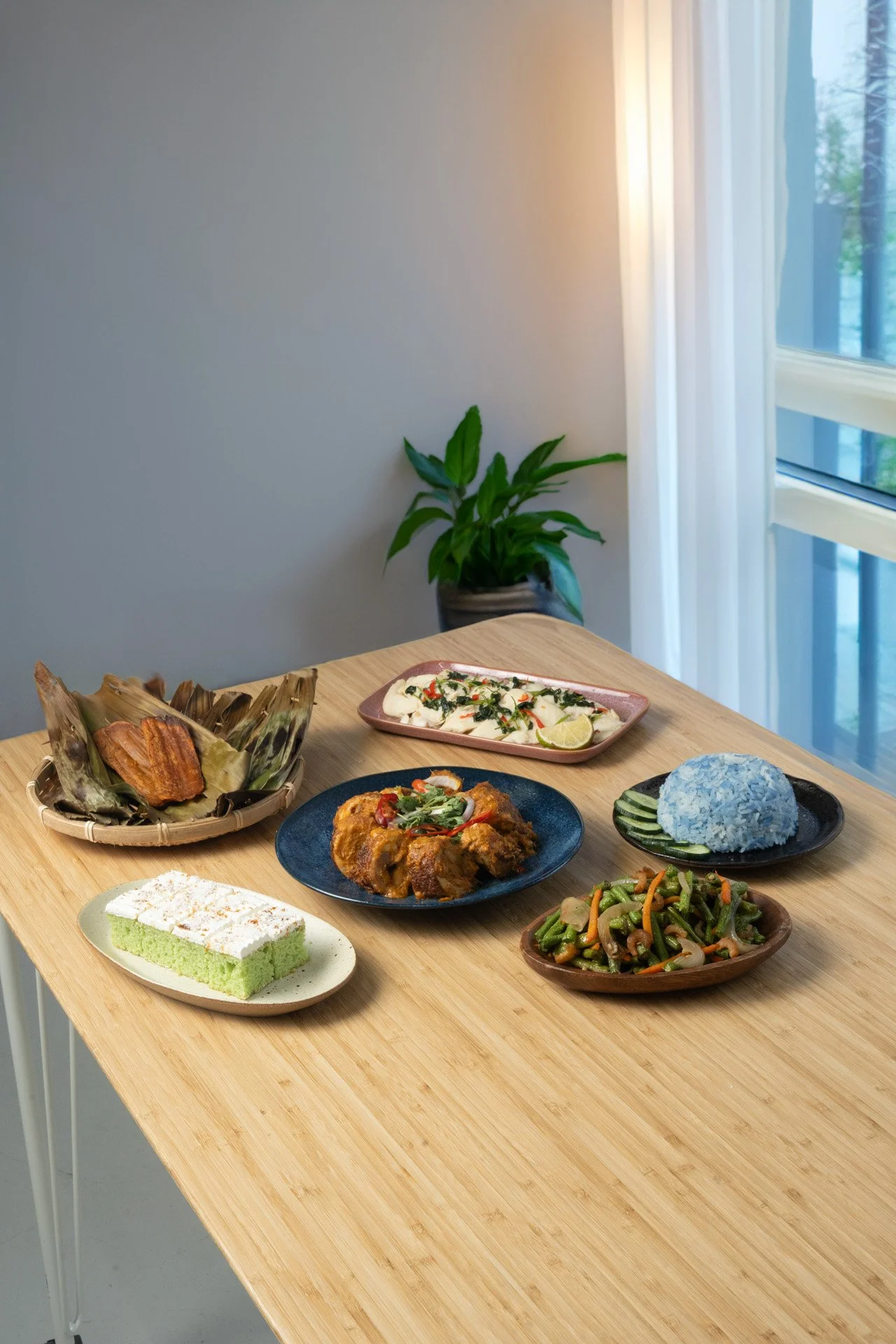
Mini buffets, on the other hand, are built for efficiency and restraint. They offer a curated selection of dishes in a compact setup, typically suited for smaller groups, private residences, or venues with limited space. The experience is simpler, faster to set up, and easier to manage—without feeling bare.
When a Full Buffet Works Best
Buffet catering shines in events where guest numbers are higher and arrival times may be staggered. Corporate functions, weddings, and larger celebrations often benefit from the flexibility a buffet provides.
With sufficient space, buffets allow guests to eat at their own pace, choose portions freely, and return for additional servings. They also work well when events extend over longer durations, as replenishment can be paced to maintain freshness without rushing service.
Lavish plans buffet layouts carefully, positioning stations to encourage flow rather than congestion. The goal is to make movement feel natural, not chaotic—something that becomes especially important in Singapore venues with defined access rules and space constraints.
When Mini Buffets Are the Smarter Choice
Mini buffets are often underestimated, yet they solve many practical challenges hosts encounter. For smaller gatherings, home events, or office celebrations with limited setup windows, mini buffets provide balance without excess.
They require a smaller footprint, fewer service touchpoints, and minimal disruption to the venue. This makes them ideal for family celebrations, departmental lunches, or community meetings where simplicity matters more than scale.
Mini buffets also reduce decision fatigue. With a curated menu, hosts avoid over-ordering while still offering variety. In many cases, this leads to less waste and a calmer event environment.
Space, Timing, and Guest Behaviour Matter More Than Size
One of the biggest misconceptions in catering is that larger events always need full buffets and smaller events should default to mini buffets. In reality, space and guest behaviour are far more influential than headcount alone.
An office with 40 guests but limited circulation space may function better with a mini buffet, while a 25-guest garden event might comfortably support a full buffet layout. Lavish evaluates these factors early, helping hosts choose formats that support movement, comfort, and service flow.
For events where guests are expected to stand, move, or network actively, hosts may also consider complementing either format with cocktail reception canapés to reduce reliance on fixed stations altogether.
📌 Choose the Format That Fits Your Reality
If your event date and venue are confirmed, you can place your catering order here: Lavish Catering Orders – Customise Your Catering Menu Orders and begin planning with clarity from the start.
Matching the Format to Event Structure
Event structure plays a critical role in format selection. Structured programmes—such as trainings or briefings—often benefit from predictable formats like seminar packages, where timing and portions are tightly aligned.
More fluid events, such as celebrations or community gatherings, may prefer buffet-style service or lighter tea receptions to maintain momentum without interruption. Lavish helps hosts see how catering interacts with schedules, not just menus.
Ending the Event Without Overextending Service
Regardless of format, how an event concludes should feel intentional. Lavish often recommends introducing dessert tables toward the later part of the programme. This allows main service to end cleanly while giving guests a relaxed closing option—especially effective for both buffet and mini buffet setups.
So, Which One Is Better?
There is no universal answer. Buffet catering offers flexibility and scale, while mini buffets offer control and simplicity. The better choice depends on your venue, guest behaviour, timing, and how you want the event to feel.
Lavish guides hosts through this decision with transparency—explaining trade-offs clearly and tailoring recommendations to real conditions rather than assumptions. The result is catering that supports the event instead of competing with it.
📌 Plan With Confidence, Not Guesswork
To learn more about how Lavish helps hosts choose the right catering format, visit About Lavish. If you’d like guidance specific to your space or event goals, reach out via contact Lavish here & plan your catering with clarity, confidence & control.