
Live Stations vs Traditional Buffets: The Engagement & Impact Guide
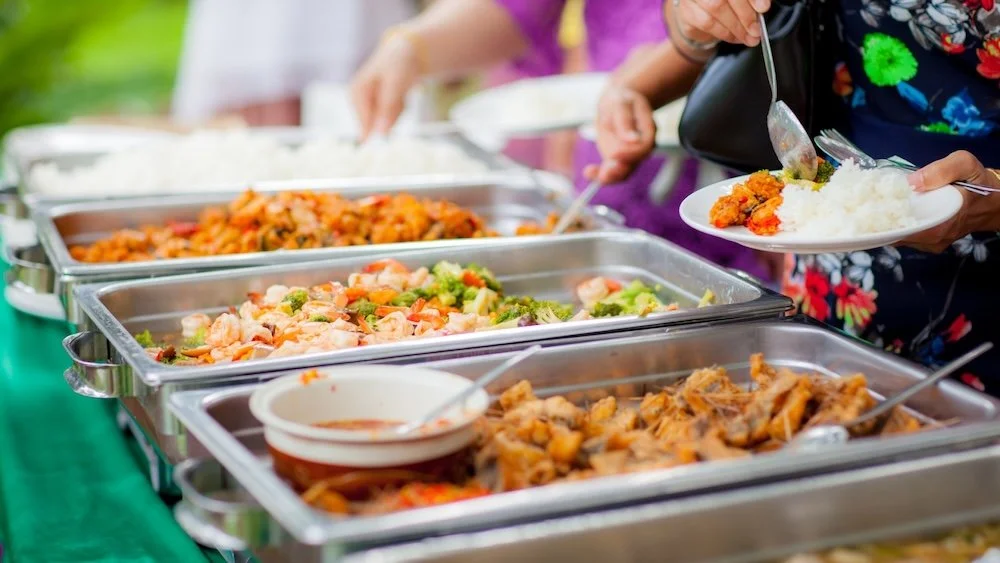
In modern event planning, success is no longer measured solely by how well-fed guests are. Guest interaction, conversation, and shared experiences play a key role in shaping how an event is remembered, as well as the impression the host leaves behind. When choosing between live stations and a traditional buffet, the decision is less about trendiness and more about guest engagement, visual impact, and how the experience supports your event goals.
The Evolution of the Guest Experience
Today’s guests are more curious and experience-driven than ever. Food is no longer just a necessity; it is part of the narrative of an event. Guests want to understand the story behind what they are eating — how it is prepared, where it comes from, and why it is special.
Live preparation taps into this desire for transparency and craft. Seeing a dish assembled fresh, with aromas and movement adding to the atmosphere, creates a sense of authenticity that pre-plated food simply cannot replicate. This connection to the process often translates into greater appreciation and longer-lasting impressions.
The “Wow” Factor of Live Stations
Chef-led live stations function as both dining and entertainment. Whether it is a made-to-order laksa bar or a halal-certified wagyu carving station, the presence of a chef adds energy to the room. Guests naturally gather, watch, ask questions, and engage, not just with the food, but with each other.
These stations act as organic icebreakers, particularly at corporate or mixed-audience events where guests may not already know one another. The shared experience of choosing toppings or watching a dish come together creates an easy starting point for conversation, making the event feel more dynamic and social.
Practical Logistics
Beyond aesthetics and engagement, live stations offer practical advantages when thoughtfully planned. Strategic placement around the venue helps manage guest flow, reducing congestion and avoiding the familiar “buffet bottleneck” effect.
By distributing stations across the space, guests are encouraged to move, explore, and interact with different zones of the venue. This not only improves circulation but also allows event planners to better control pacing, ensuring the room never feels overcrowded in one area.
The Reliability of the Classic Buffet
Despite the growing popularity of live stations, the traditional buffet remains a dependable option. For high-volume events or tight schedules, buffets deliver efficiency and consistency. They provide guests with a clear overview of the menu and create an immediate sense of abundance, which can be reassuring at large-scale corporate functions or formal gatherings.
When styled well, a buffet can still make a strong visual statement while ensuring service runs smoothly, especially when time and predictability are top priorities.
Designing Experiences That Leave a Lasting Impression
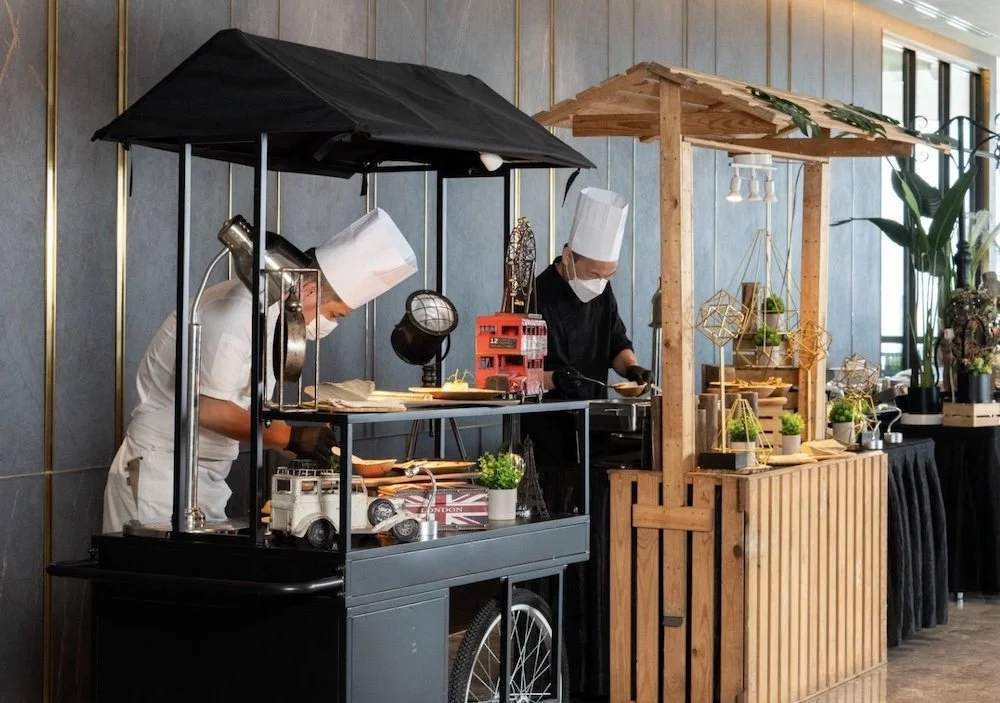
Choosing between live stations and a traditional buffet is not about which is better, but which is right for your event’s objectives, audience, and setting.
At Lavish Dine Catering, live stations are styled as an extension of the event’s visual tone and your brand identity — an important consideration in corporate catering, where the dining experience can contribute to how the brand is perceived. When dining elements mirror the colours, tone, and positioning of the brand, the experience feels more intentional and aligned, rather than simply functional.
With menu flexibility, polished service, and an experienced operations team that understands timing, etiquette, and image control, Lavish delivers luxury buffet catering experiences in Singapore that feel considered, seamless, and are designed to leave a lasting impression both on the plate and beyond it.

