Understanding Different Guest Expectations When Planning Catering in Singapore


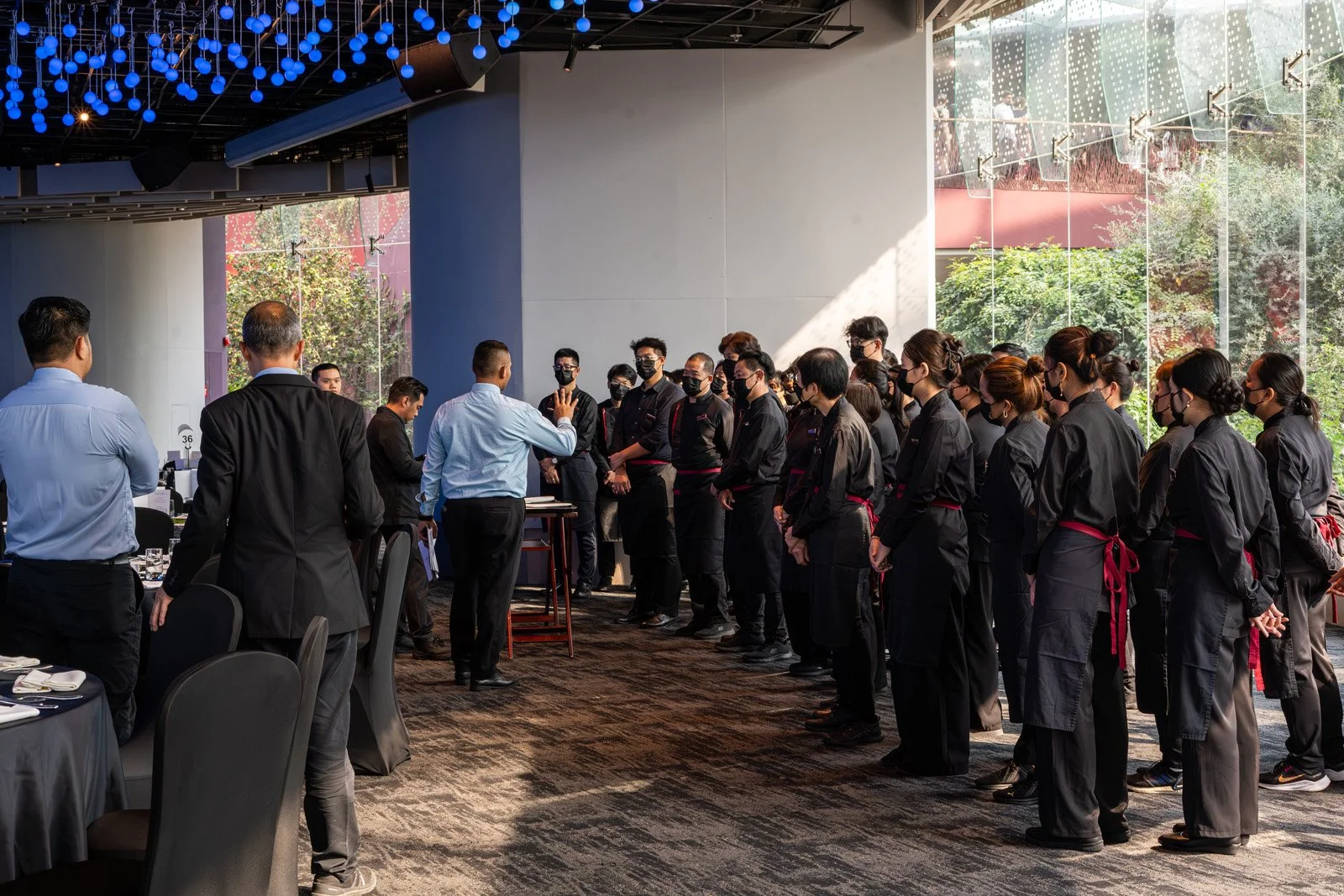
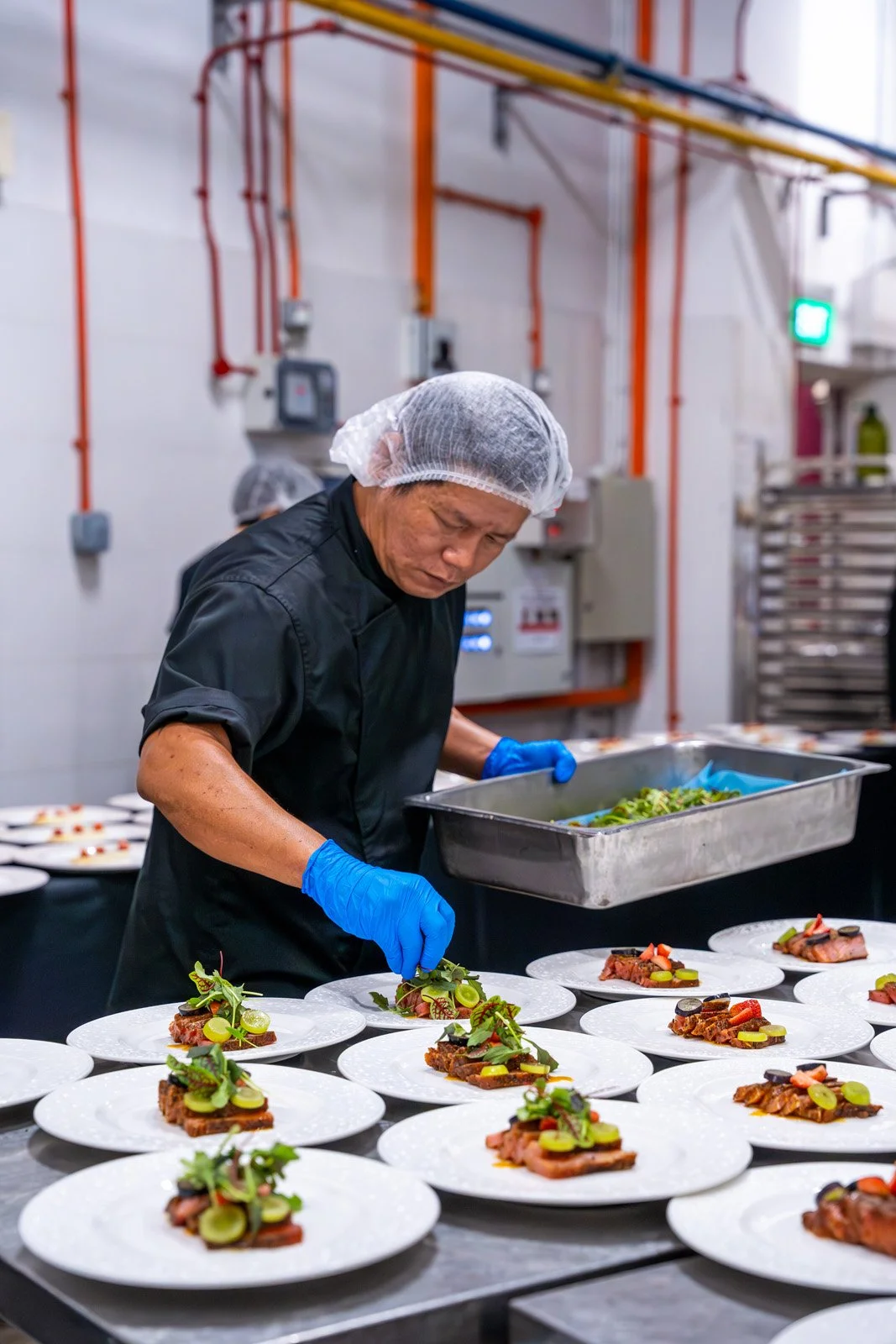
One of the most overlooked elements of event planning in Singapore is guest expectation. Hosts often focus on menus, quantities, and formats, assuming these choices alone will determine success. In reality, guests arrive with unspoken expectations shaped by context: who invited them, why they are there, how long they plan to stay, and how they expect to interact with others. In 2026, successful catering is less about impressing guests and more about meeting these expectations quietly and consistently.
This is where Lavish approaches catering as a form of social planning. Rather than treating guests as a single group, Lavish plans around how different audiences behave—ensuring catering supports the experience guests anticipate, not the one hosts assume.
Why Guest Expectations Matter More Than Menus
Guests rarely remember specific dishes, but they clearly remember how an event felt. Did food appear when they expected it? Was service smooth or disruptive? Did catering support conversation or interrupt it?
When expectations and execution are misaligned, even good food can feel wrong. A casual event with overly formal service feels stiff. A professional gathering with slow, informal pacing feels disorganised. Lavish prevents these mismatches by starting planning conversations around guest mindset rather than menu selection.
Corporate Guests Expect Efficiency and Clarity
Corporate audiences value predictability. They expect catering to respect schedules, avoid disruption, and operate quietly in the background. Food is important, but it should never compete with the purpose of the event.
For these settings, Lavish often recommends formats that offer structure and reliability, such as seminar packages or a well-paced buffet catering setup. Service timing is aligned closely with agendas, and layouts are designed to prevent congestion.
Corporate guests don’t expect spectacle—they expect smooth execution. Meeting that expectation is what makes catering feel professional rather than performative.
Family and Social Guests Expect Comfort
Family gatherings and social celebrations operate on a different emotional register. Guests expect warmth, flexibility, and a sense of ease. They are more tolerant of slower pacing but more sensitive to atmosphere.
Lavish plans these events with comfort in mind. Mini buffets are often ideal, offering variety without overwhelming the space. Service remains present but unobtrusive, allowing conversations to flow naturally. The goal is to support togetherness, not manage behaviour.
When catering matches this expectation, guests relax—and the event feels genuinely welcoming.
Community Events Expect Inclusivity and Flow
Community gatherings bring together diverse age groups, social circles, and levels of familiarity. Guests expect accessibility, clarity, and flexibility. Catering that feels exclusive or confusing quickly creates friction.
Lavish approaches community catering by prioritising flow and visibility. Formats like tea receptions often work well, offering light, approachable service that integrates smoothly into shared spaces. When larger numbers are involved, buffet layouts are designed to disperse crowds evenly and prevent bottlenecks.
These decisions help guests feel oriented and comfortable, even in unfamiliar environments.
Networking Guests Expect Freedom of Movement
At networking-focused events, guests expect catering to support conversation, not interrupt it. Fixed seating or heavy service can unintentionally anchor people in place and limit interaction.
For these audiences, cocktail reception canapés are frequently recommended. They allow guests to eat casually while circulating, keeping energy high without creating queues or pauses. Catering becomes a background element rather than a focal point—exactly what networking guests expect.
📌 Plan With Your Guests in Mind
If your event date and venue are confirmed, you can place your catering order here: Lavish Catering Orders – Customise Your Catering Menu Orders and begin planning with guest expectations clearly accounted for.
Timing Shapes Perception More Than Quantity
Guests judge catering not only by what is served, but when it is served. Food that arrives too early feels intrusive; food that arrives too late creates frustration.
Lavish aligns service timing with guest expectations. Short events are planned with concise service windows. Longer programmes may be phased to maintain energy without overload. For events that benefit from a clear closing cue, dessert tables often provide a gentle signal that the event is winding down—without announcements or abrupt endings.
Communicating Expectations to Hosts
Many expectation mismatches begin with hosts themselves. When hosts aren’t sure what guests will anticipate, planning becomes reactive.
Lavish addresses this through clear, collaborative communication. Assumptions are discussed, options are explained, and recommendations are tailored to the audience being invited. This helps hosts plan with confidence rather than uncertainty—reducing last-minute changes and unnecessary overcompensation.
Why Expectation-Led Planning Matters in 2026
Singapore’s events landscape is mature. Guests attend many functions each year and quickly sense when catering feels mismatched to the occasion. In 2026, success lies in alignment, not excess.
Lavish plans catering around how guests think, move, and interact. By respecting different expectations across corporate, family, community, and social settings, events feel intentional and comfortable—without hosts needing to manage the experience themselves.
📌 Plan for People, Not Just Plates
To learn how Lavish aligns catering decisions with guest expectations, visit About Lavish. If you’d like guidance tailored to your audience or venue, reach out via contact Lavish here & plan your catering with clarity, confidence & care.