
What is High Tea and How Can it Shape the Standard of Corporate Catering?
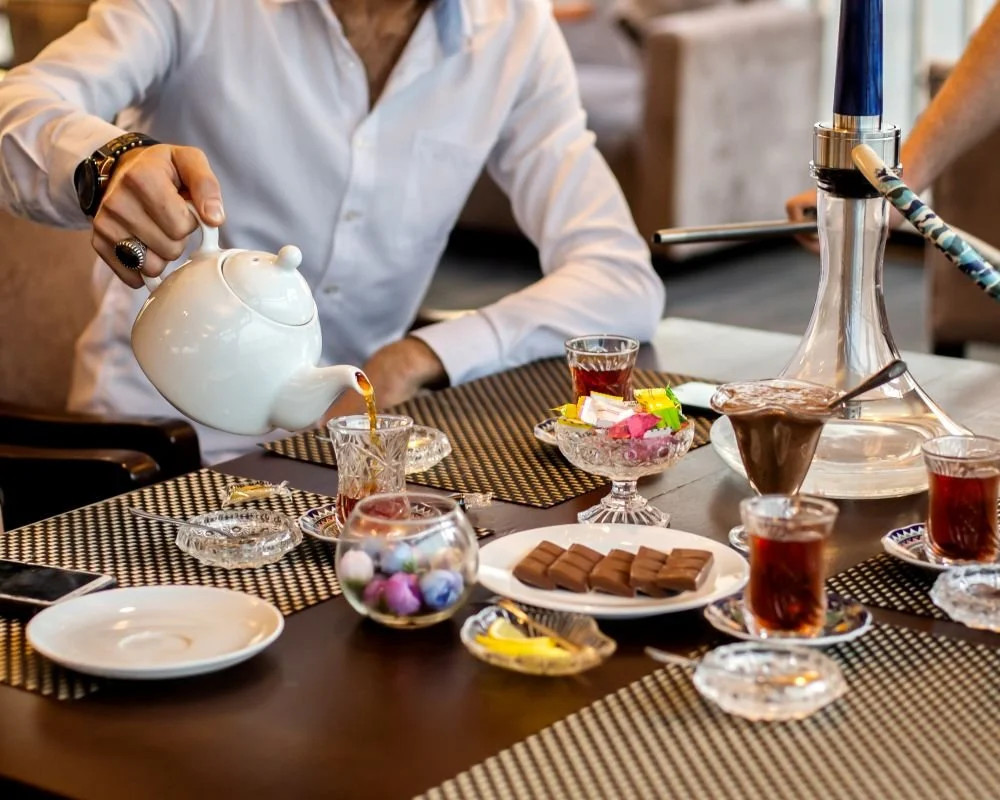
'High tea' is one of the most commonly misunderstood terms in modern dining. Most people who request it are describing something else entirely: afternoon tea.
The two originated in different centuries, for different classes of people, with different food and entirely different purposes. If you’re a corporate event host in Singapore, learning the true meaning of high tea will help you organise a tea break appropriately.
Key Characteristics of Traditional High Tea
High tea originated in 19th-century Britain as a working-class institution, not a refined social occasion. Instead of finger sandwiches, factory workers, miners and labourers used to return home after long shifts needing a proper meal.
These features defined traditional high tea:
Time: Served between 5 pm and 7 pm after a full working day, when the appetite demanded something substantial.
Menu: Hot, filling dishes such as meat pies, fish, casseroles, potatoes, bread and baked goods. The emphasis was on filling the stomach.
Setting: Eaten at a high-backed dining table, from which the name originates. Also, the 'high' in high tea refers to the table height.
Class Origins: High tea was the working-class counterpart to the upper-class afternoon tea. Practical and filling by design, and ceremony had nothing to do with it.
High Tea vs Afternoon Tea: What is the Difference?
High tea and afternoon tea are used interchangeably across Singapore, Australia and the United States, but they describe distinct traditions with separate origins.
| Feature | Afternoon Tea | High Tea | Modern Corporate Application |
|---|---|---|---|
| Time | 3 pm to 5 pm | 5 pm to 7 pm | Mid-morning or mid-afternoon, timed around the programme schedule |
| Origins | British upper class | British working class | Draws from both traditions: the substance of high tea, the presentation of afternoon tea |
| Menu | Finger sandwiches, scones with clotted cream, pastries on tiered stands | Hot, hearty dishes: meat, fish, pies, potatoes, bread | A mix of hot savoury bites, finger sandwiches, pastries and local favourites |
| Setting | Low-seated parlour chairs | High dining table | Buffet-style service at standing height or a styled table spread within the event space |
| Purpose | Social occasion | Functional evening meal | Both: a break that sustains attention and creates space for informal networking |
A Common Misconception Worth Clarifying
Many hotels and catering providers advertise elaborate spreads of pastries and finger sandwiches under the label 'high tea'. That usage has become so widespread that the original distinction has largely faded.
True high tea, in its original form, was a rustic evening meal. What most corporate hosts and guests in Singapore describe as 'high tea' is in practice closer to afternoon tea: elegantly presented and centred on quality over quantity.
When you recognise the difference, you can communicate your expectations to your caterer accurately. Also, it helps your caterer deliver the right experience.
What Does a High Tea Spread Consist of Today?
In a contemporary catering context, a high tea spread combines savoury and sweet elements served across a single sitting. The format has evolved from its working-class origins, absorbing elements of afternoon tea along the way.
A well-balanced spread in a corporate or seminar setting typically covers three categories:
Savoury Items: Finger sandwiches, hot bites such as gyoza or chicken drumlets, and local favourites like teriyaki-glazed pieces or pasta.
Sweet Items: Pastries, kuehs, Danish viennoiseries, fruit tartlets and premium sweets.
Beverages: A curated selection of hot and cold drinks to complement both the savoury and sweet components.
Why the Tea Break Matters More Than Most Hosts Realise
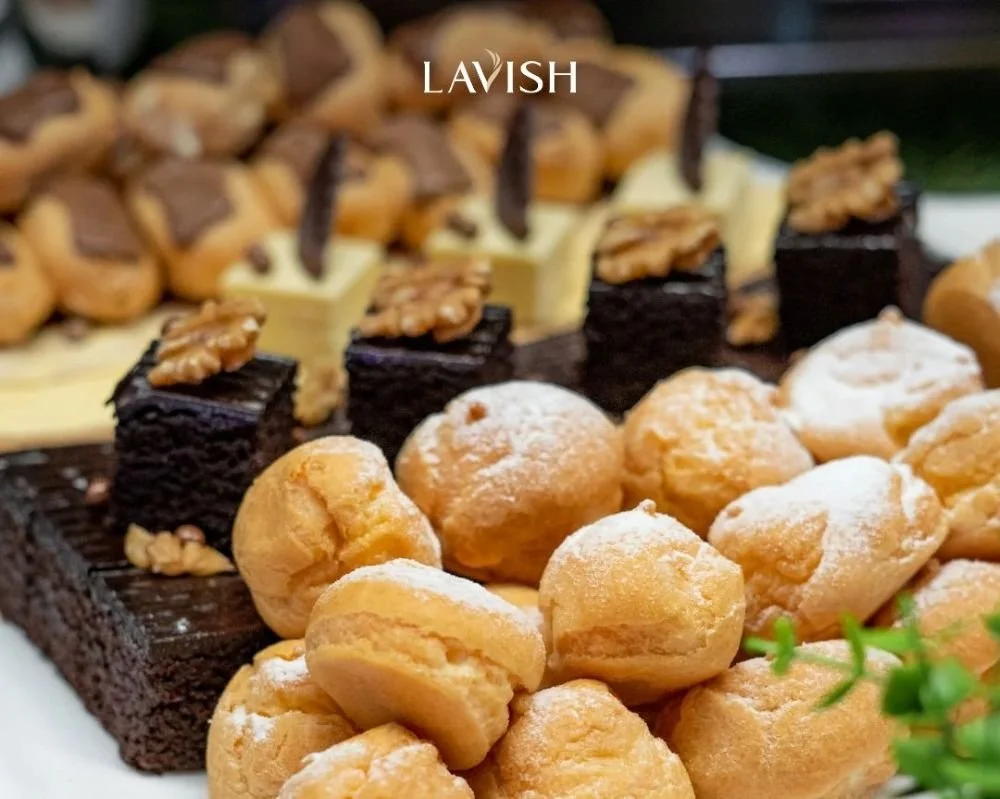
For seminars, conferences and full-day training sessions, the tea break is often the only unstructured moment in the programme. Attendees decompress, connect informally and reset before the next session.
The quality of a tea break is noticed even when no one says anything about it. In sectors where professional image carries weight, such as finance, law and pharma, a well-executed cocktail reception catering spread communicates that the host considered guest comfort, not just the programme content. That kind of attention tends to be remembered longer than the agenda itself.
A sophisticated tea reception, served with consistency and care, leaves a stronger impression.
Set a Higher Standard with a LAVISH Tea Reception
LAVISH offers a tea reception designed for Singapore's corporate and social event market: a modern interpretation of high tea for professional settings.
Three tiers of service are available to suit different event scales and durations:
Well-balanced spread for larger gatherings requiring variety across savoury and sweet
Premium selection featuring more sophisticated bites and imported pastries for high-profile events
Light refreshments designed for shorter sessions of 30 minutes or less
All menus are prepared in a Halal-certified kitchen, ensuring every guest is catered for without exception. Menus are also customisable to suit the theme, pace and guest profile of any event, from cocktail reception catering for a client dinner to premium corporate catering for a full-day seminar. Professional setup and full-service delivery are included, allowing organisers to stay focused on the programme.
📌 Plan Your Tea Reception with LAVISH
To explore our tea reception menus, cocktail reception catering and premium corporate catering services, visit About LAVISH. Contact us today to plan your next corporate or social tea break.


