What Happens When a Venue Has Strict Catering Rules

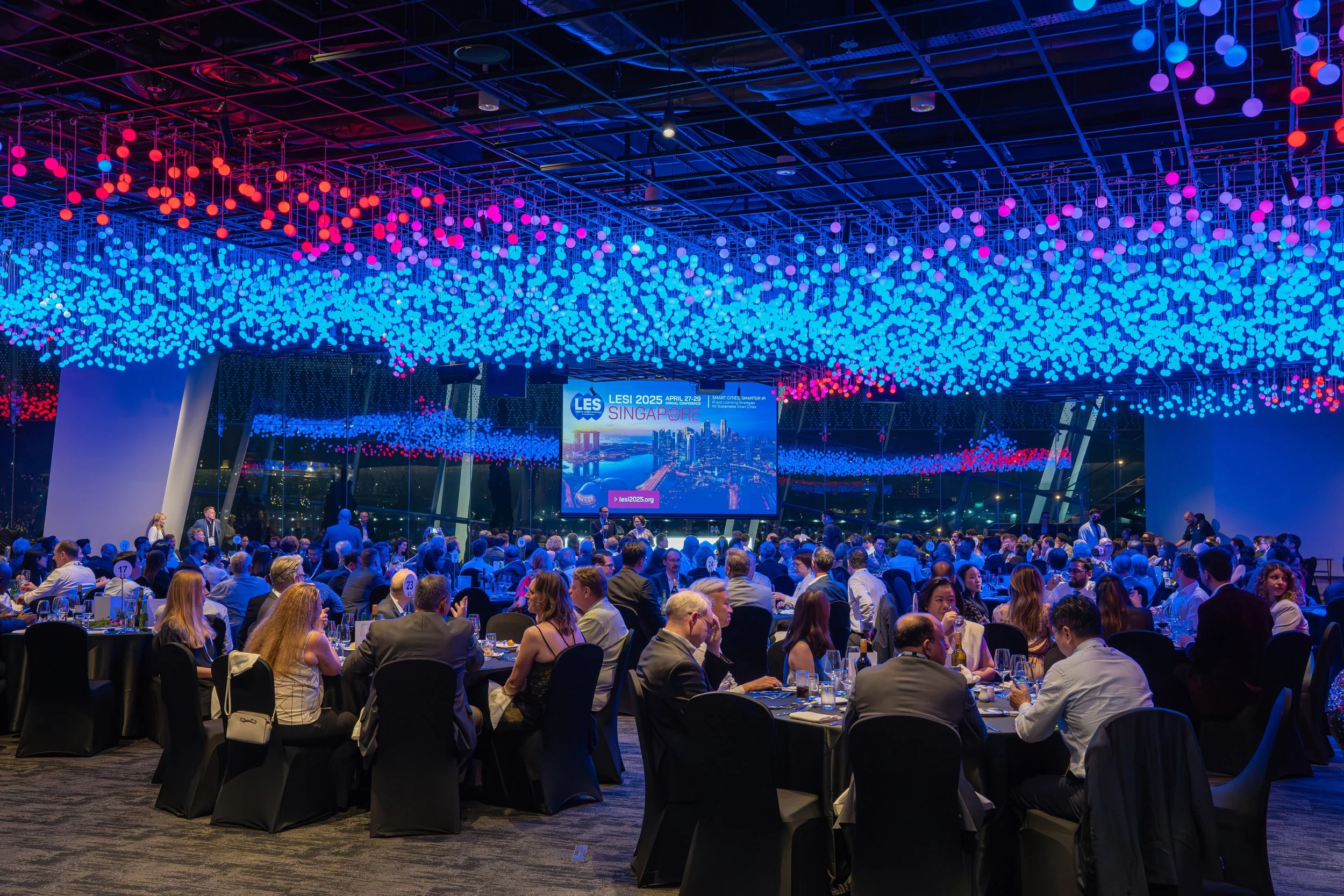
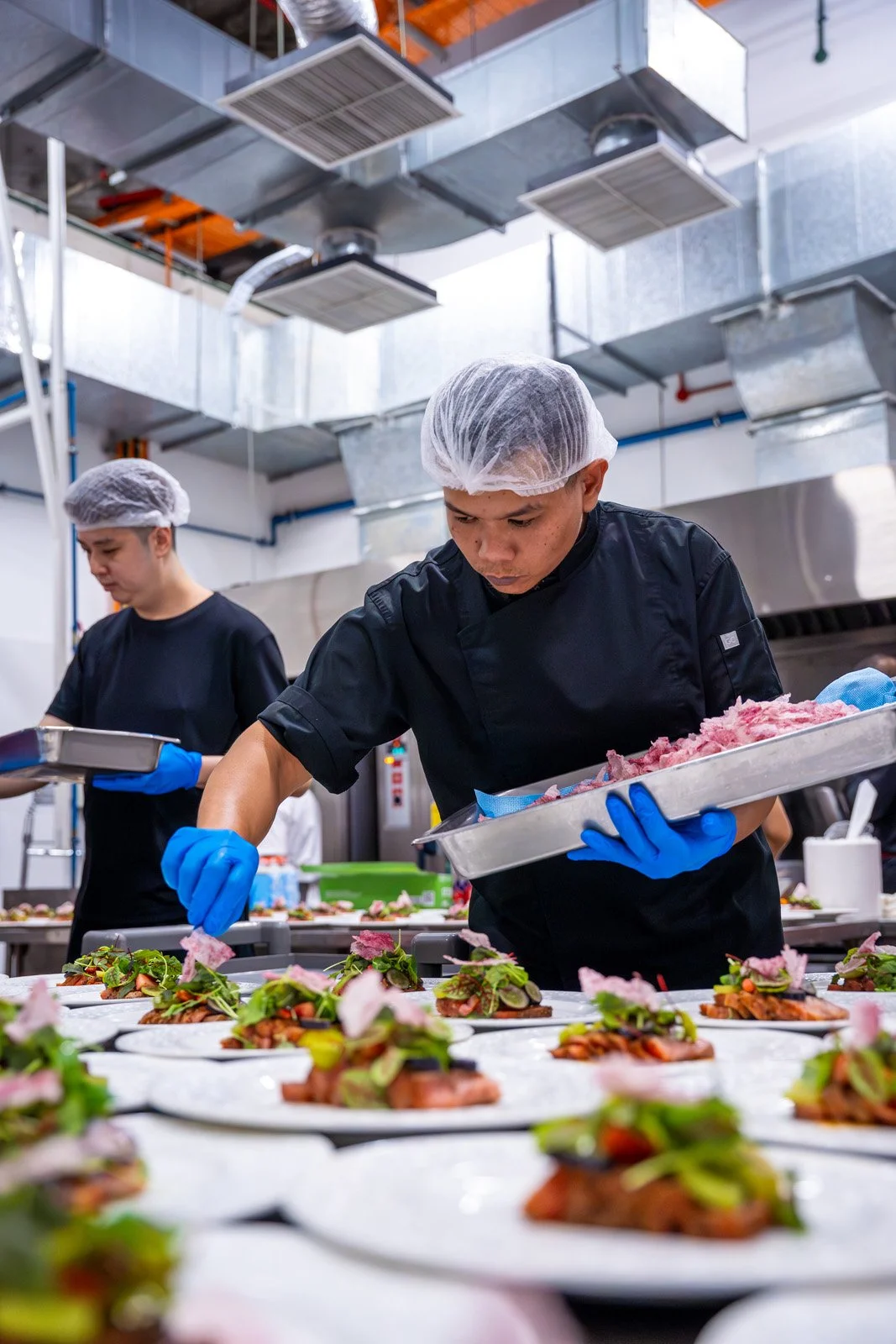
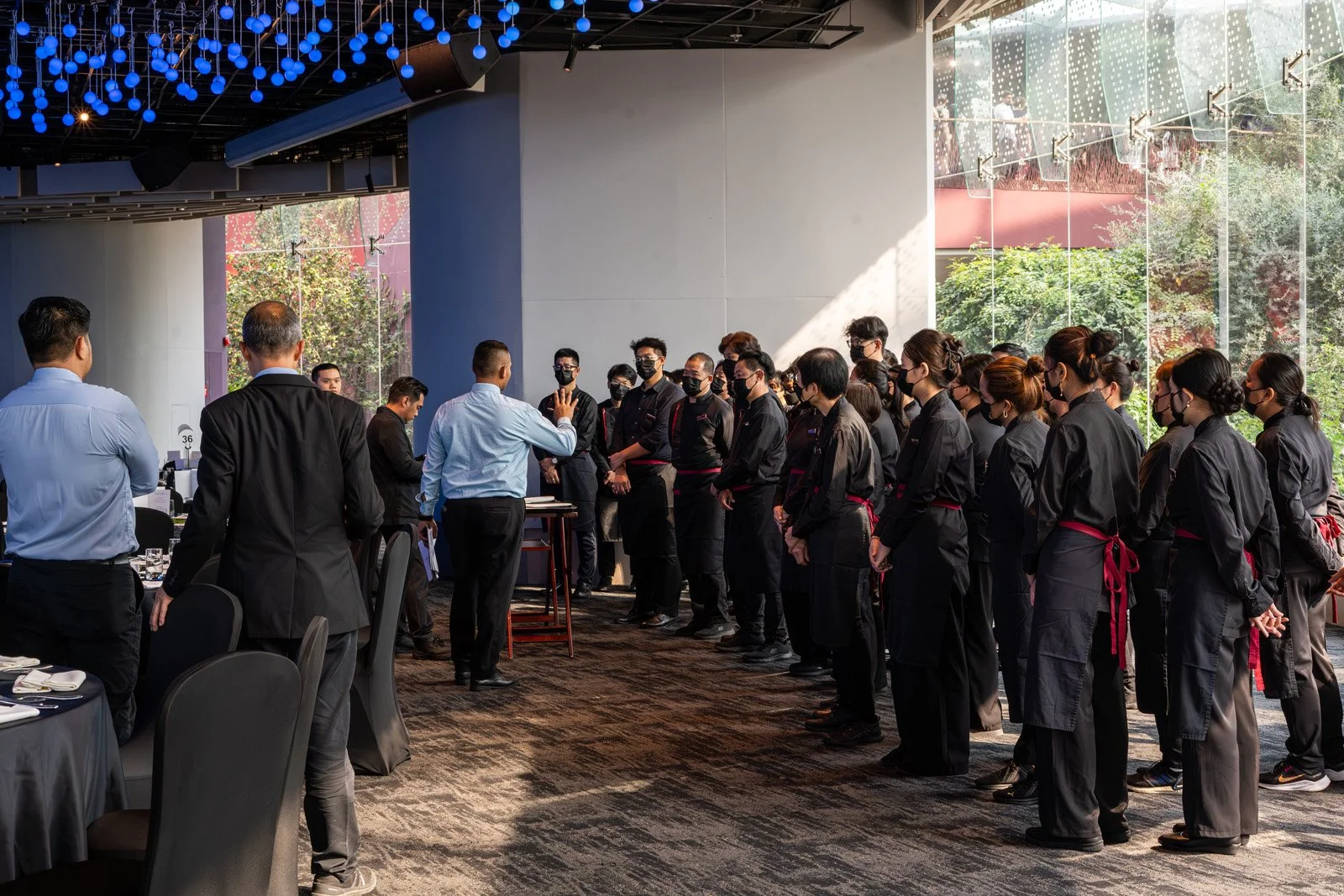
In Singapore, many popular venues come with strict catering rules. Hotels, function halls, corporate spaces, and private estates often impose guidelines around setup timing, food formats, waste management, and even how service staff move through the space. In 2026, these restrictions are becoming more common—not less—which is why hosts increasingly rely on experienced caterers like Lavish to navigate these constraints without compromising the event itself.
Strict venue rules are not designed to make hosting difficult. They exist to protect infrastructure, maintain brand standards, and ensure safety. However, when hosts are unfamiliar with these requirements, catering quickly becomes one of the most complex parts of event planning. Understanding what typically happens when a venue enforces tight controls can help hosts prepare more effectively and avoid last-minute issues.
Why Venues Impose Catering Restrictions in the First Place
Most venues operate on fixed schedules and shared spaces. To maintain consistency, they limit setup windows, regulate equipment usage, and control food handling procedures. Some venues restrict open flames, others limit buffet layouts, and many enforce precise teardown deadlines. These rules affect not just what food is served, but how it is delivered, displayed, and replenished.
Professional caterers factor these constraints into planning from the beginning. A well-structured buffet catering setup, for example, can be adapted to tight layouts and short setup windows, while cocktail reception canapés are often preferred in venues that limit large serving stations. Choosing the right format reduces friction and keeps the event aligned with venue expectations.
How Catering Formats Change Under Venue Constraints
When a venue has strict rules, flexibility becomes essential. Hosts may need to shift from their initial vision to a format that better suits the space. Corporate venues often prioritise punctuality and minimal disruption, making seminar packages an efficient option. These are designed for controlled service timing and compact setups.
For social events or private functions, tea receptions provide a refined alternative that complies with space and noise limitations. Smaller gatherings may benefit from mini buffets, which reduce footprint and setup complexity, while larger events can still include curated dessert tables if planned within venue-approved parameters.
What Can Go Wrong Without an Experienced Caterer
When venue rules are not fully understood, issues tend to surface on event day. Setup delays, rejected equipment, or restricted service flow can disrupt the entire schedule. In some cases, food quantities may need to be adjusted on the spot, or layouts may need to be reconfigured under pressure.
Experienced caterers mitigate these risks by planning within constraints rather than reacting to them. Lavish works with hosts to understand venue guidelines early, recommend compliant setups, and coordinate timing realistically. This ensures expectations are aligned and avoids unnecessary stress for both hosts and guests.
📌 Secure a Compliant Setup Early
If your venue has confirmed rules or limited setup windows, you can place your catering order and begin planning with venue compliance in mind. Lavish Catering Orders - Customise Your Catering Menu Orders
How Professional Planning Preserves the Guest Experience
From a guest’s perspective, venue restrictions should be invisible. When catering is executed well, the event feels smooth, intentional, and unhurried. Food appears on time, service flows naturally, and transitions between segments feel seamless. Achieving this under strict rules requires experience and foresight.
Professional caterers manage these details quietly behind the scenes. By adapting layouts, adjusting service pacing, and coordinating closely with venue management, they allow hosts to remain present and engaged. Guests enjoy the event without ever realising the constraints that shaped it.
As venue rules continue to tighten in 2026, hosts who plan early and partner with experienced caterers gain a significant advantage. Rather than limiting creativity, clear rules paired with professional planning often lead to more refined and effective events.
📌 Plan With Confidence, Even Under Constraints
To understand how Lavish works within venue-specific rules and expectations, visit About Lavish. If you need guidance on adapting your catering plan to a regulated venue, the team welcomes open conversations—contact Lavish here & plan your event with clarity & confidence.