Why Catering Planning Matters More Than the Food Itself


When people think about catering, food naturally comes first. Menus, cuisines, and presentation dominate early conversations. Yet in Singapore’s catering landscape in 2026, experienced hosts are discovering a quieter truth: successful events are shaped less by what’s served and more by how everything is planned around it. This is why many clients turn to Lavish, where catering is treated as an operational framework rather than a menu alone.
Food quality matters—but without structure, timing, and flow, even excellent food can feel disruptive. Planning is what allows catering to support the event instead of competing with it.
Catering Is a System, Not a Dish List
At its core, catering planning brings multiple moving parts into alignment. Guest arrival patterns, venue access rules, programme timing, and service pacing all influence how food should be delivered. When these elements aren’t coordinated, the result is congestion, delays, or visible stress—none of which guests forget easily.
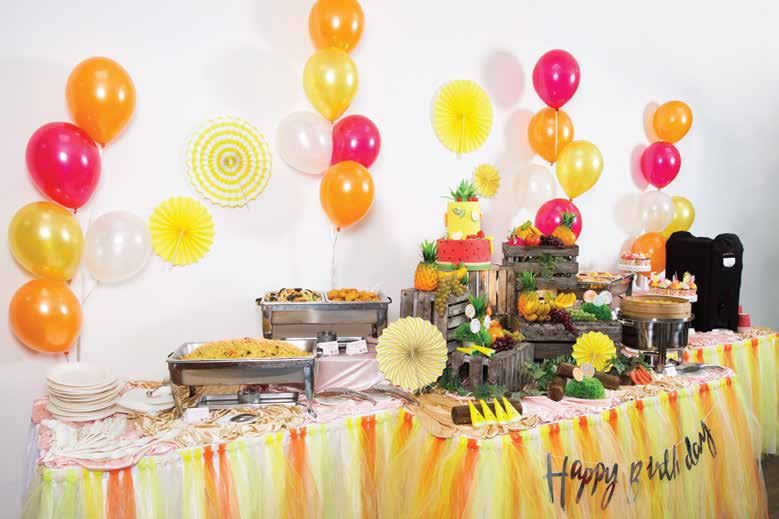
Lavish approaches catering as a system. Before formats are recommended, the team considers how guests will move, when they’ll eat, and how service should unfold quietly in the background. A well-paced buffet catering setup, for instance, works best when arrival times are staggered and space allows for natural circulation. Without that planning, the same buffet can feel chaotic.
Matching Format to Behaviour, Not Trends
One common mistake hosts make is choosing catering formats based on popularity rather than behaviour. Standing events, seated programmes, and hybrid gatherings all require different rhythms.
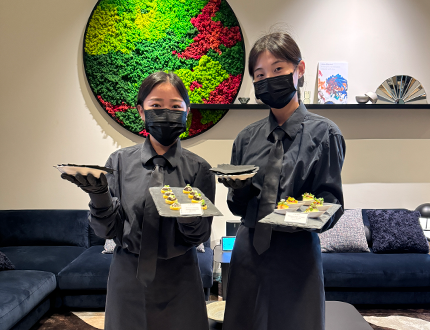
For networking-heavy functions, cocktail reception canapés often outperform heavier options because they support movement and conversation. In contrast, structured corporate sessions benefit from seminar packages that align service with fixed schedules and limited breaks. Community events or daytime gatherings frequently work best with tea receptions, offering a lighter cadence that keeps guests comfortable without overcommitting space or time.
Planning ensures the format complements the event’s purpose instead of fighting it.
Portioning, Timing, and the Illusion of Effortlessness
Guests rarely comment on portion calculations or replenishment timing—but they notice when something feels off. Empty trays too early, overcrowded stations, or prolonged waits create subtle tension.
Lavish plans portions and service pacing together. Smaller gatherings often benefit from mini buffets, which provide variety while remaining manageable. Larger events may introduce dessert later in the programme using curated dessert tables to signal a natural shift toward closing, rather than extending main service unnecessarily.
This orchestration is what makes catering feel smooth, even when guest numbers or timing shift slightly.
📌 Plan First, Decide Later
If your event date and venue are confirmed, you can place your catering order here: Lavish Catering Orders - Customise Your Catering Menu Orders and begin with structure in place.
Why Planning Reduces Stress on Event Day
When catering is planned properly, hosts aren’t answering questions about timing, food flow, or setup. They’re present—welcoming guests, following the programme, and enjoying the occasion.
Lavish places strong emphasis on pre-event clarity. Venue rules are reviewed early, setup windows are respected, and service is scheduled to fit within real constraints. This prevents last-minute compromises and keeps catering from becoming a visible distraction.
Honest Planning Beats Big Promises
In a competitive market, some caterers focus on selling abundance. Lavish focuses on suitability. What’s feasible is explained clearly, limitations are discussed upfront, and recommendations are tailored to the actual event conditions.
This transparency helps clients make confident decisions without overcommitting. Planning becomes collaborative rather than reactive, and expectations are aligned long before event day.
Food Shines When Planning Is Invisible
Ironically, food is remembered best when planning goes unnoticed. Guests enjoy what’s served because it arrives at the right moment, in the right quantity, and in the right context. Planning is what allows food to shine without drawing attention to the mechanics behind it.
That’s why, in 2026, catering planning matters more than the food itself.
📌 Plan With Confidence, Not Guesswork
To understand how Lavish approaches catering planning across different event types and venues, visit About Lavish. If you’d like guidance tailored to your event, reach out via contact Lavish here & plan your catering with clarity, confidence & control.